
How to Sleep Without Melatonin: Natural Melatonin Alternatives for Sleeping
 Brittany Ferri, PhD, OTR/L
 Occupational Therapist, Writer
August 21, 2026
Melatonin is a popular supplement for many people who struggle to fall asleep, though it isn’t the best fit for everyone. Some people have concerns about over-reliance, as this can be a concern with any supplement or drug. This issue is more important now than ever since the number of adults in the U.S. who regularly use melatonin has grown by over 5 times since 1999.
Others feel that taking melatonin makes them groggy in the morning, or they simply prefer an even more natural approach. Whatever the reason, people who want to know how to sleep without melatonin should know about drug-free methods for sleep improvement. In this article, we will discuss programs and strategies (such as Sound for Sleep by SoundSory) that support a natural bedtime routine.
Why It’s Better to Sleep Without Melatonin
Taking melatonin is a personal choice that some people may opt for. However, there are many people who choose to explore melatonin alternatives in order to learn how to sleep without melatonin. There are several reasons why people may want to avoid this supplement. Some of these include:
- Lack of regulation, meaning melatonin supplements do not have oversight from the Food and Drug Administration (FDA). This is common for any supplement, though it can lead different products to contain variable doses of melatonin that don’t align with what their packaging states.
- Minor adverse effects, which include nausea, dizziness, headache, and lethargy during the day after taking it. While these are not usually major enough to deter someone from taking melatonin, they may cause people to overlook more pressing health concerns that cause the same symptoms.
- Negative interactions with prescribed drugs such as birth control, anti-seizure medication, immunosuppressants, blood thinners, antidepressants, and drugs that manage blood glucose levels. Drug interactions can be significant, which is why people should discuss taking melatonin with their doctor first.
- A lack of evidence for long-term use by those with chronic insomnia, since experts don’t have enough research to show melatonin is safe and beneficial for people with this concern. Studies also show melatonin can worsen symptoms of restless leg syndrome for people with the condition due to its impact on hormones. Melatonin has also been found to worsen daytime sleepiness for those with dementia (and possibly also other organic brain injuries). This can increase the risk of falls and functional participation.
In summary, most research says there isn’t enough evidence to show melatonin is a safe option for everyone, especially not on a long-term basis. The research that does endorse melatonin as a good option to manage sleep concerns still emphasizes it should not be the only strategy someone is using.
5 Natural Ways to Fall Asleep Without Melatonin
People who have been taking this supplement may feel as if they can’t sleep without melatonin. But, if they want to stop their reliance on melatonin, it’s best to utilize the host of lifestyle changes, strategies, and sleep hygiene techniques that can assist with improving sleep. Each of these are drug-free options that people may turn to in the event they want to know how to sleep without melatonin.
| Approach | How it helps |
| Sound for Sleep by SoundSory | An integrated sleep program with a curated, professionally processed playlist that calms the nervous system |
| Warm Shower or Bath | Soothes the vagus nerve and achieve a comfortable body temperature |
| Deep Breathing Exercises | Balances vital signs and lowers anxiety in preparation for sleep |
| Caffeine-Free Drink | Can aid with digestion, soothing the body and assisting with relaxation |
| Read or Journal | A low-effort task that allows the brain switch to a different mode before sleep |
Use Sound for Sleep by Soundsory
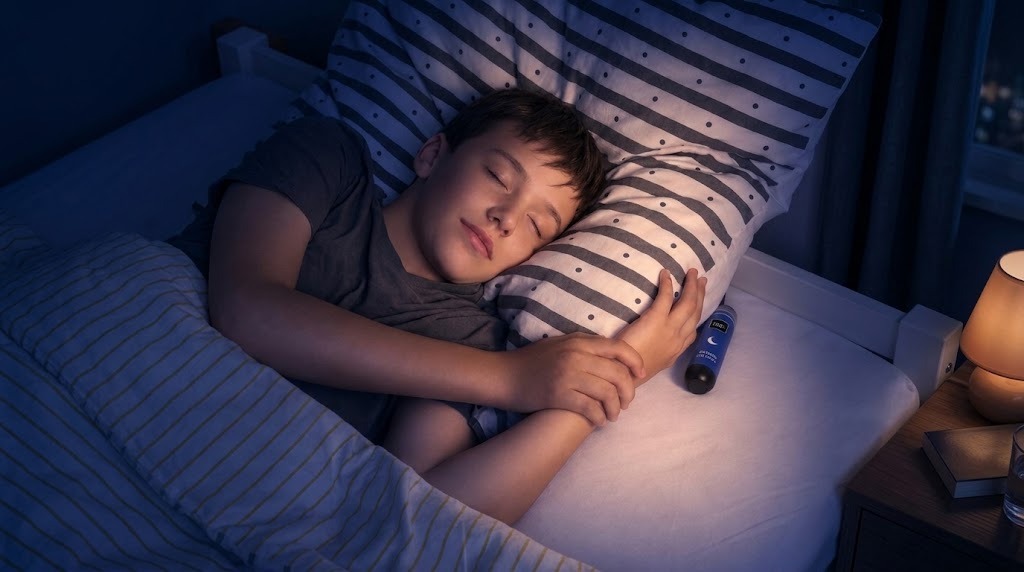
Sound for Sleep by SoundSory is an integrated sleep program that uses bone conduction technology to play a combination of Celtic, lullaby, and classical music that assists with sleep.
- How it helps you sleep: The music included in the Sound for Sleep program has been specially chosen for its ability to calm the nervous system and encourage a greater sense of relaxation that assists with sleep.
- Best for: People of all ages who enjoy listening to music and find that having some form of sound in their room allows them to sleep better.
- Things to keep in mind: While designed for people with sensory sensitivities, autism spectrum disorder, attention-deficit/hyperactivity disorder, auditory processing disorder, and anxiety, anyone with sleep difficulties can use the Sound for Sleep program.
Take a Warm Bath or Shower Before Bed
Depending on your personal preference, a warm bath or shower before bedtime can be largely beneficial in achieving a relaxed state for sleep.
- How it helps you sleep: Unlike what it sounds like, the warm water from a lukewarm or slightly hot bath or shower lowers the body’s core temperature. This won’t necessarily make you cold before bed, but it does bring your temperature down to a more balanced level. Either way, having a bit lower of a body temperature actually allows you to get to sleep more easily. This prevents the body from working harder to lower its temperature, which can keep you awake.
- Best for: People who are soothed by water or have sore muscles and joints that may impact sleep.
- Things to keep in mind: A bath or shower that is at least 10 minutes is best, and should be followed up by getting into weather-appropriate pajamas. Try to avoid bundling on layers, as this will increase your body temperature again and undo some of the effects of the bath/shower.
Try Breathing and Relaxation Exercises
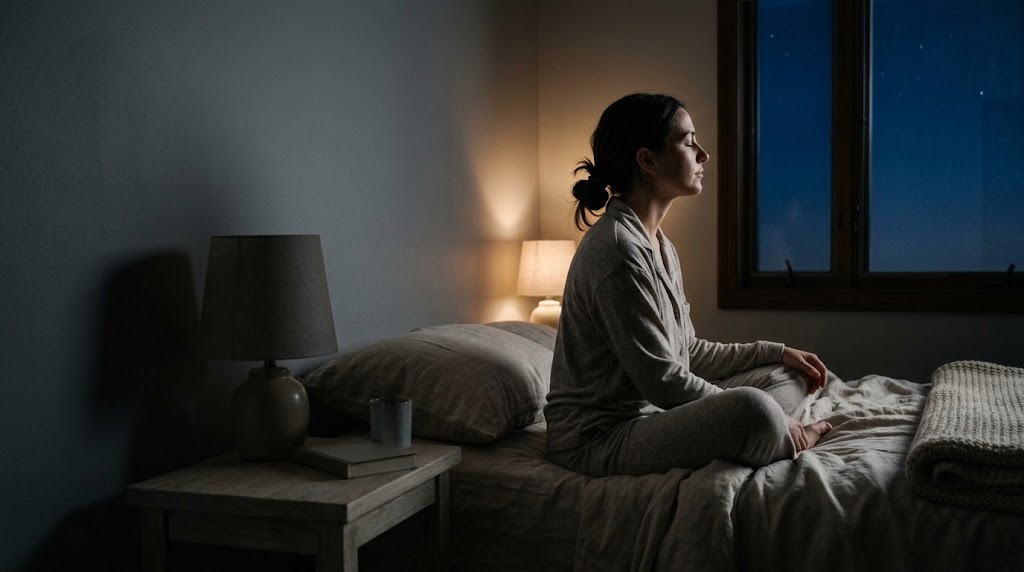
Deep breathing is one example of a relaxation technique for getting to sleep. Other options include guided imagery, meditation, reciting affirmations, and progressive muscle relaxation. Guided imagery involves picturing a calming scenery, location, or memory that brings you a sense of peace and joy. Meditation can involve fixating on those same images or simply achieving a calm sense of stillness while existing in the present moment.
Some people may want to pair their meditation with affirmations or practice those separately by repeating (aloud or in your head) calming phrases like, ‘It will all be okay’ or ‘I am confident I will get the sleep I need tonight.’ Progressive muscle relaxation involves tensing one muscle group at a time to relieve physical stress that may accumulate throughout the body.
- How it helps you sleep: Any of these relaxation strategies can lower vital signs (like blood pressure, heart rate, and breathing rate, among others) that keep our nervous system in an awake state. By getting our vital signs to a better level, we can naturally shift our nervous system to get ready to wind down and allow for sleep.
- Best for: People with racing thoughts or an increase in anxiety before bedtime.
- Things to keep in mind: Not all of these strategies will be a good fit for everyone. Give one a try before bedtime and keep up with it for about a week. You can jot down your feelings about it (how easy it was to use, how well you think it worked, the time it took to get to sleep that night, the quality of your sleep, etc.) and decide at that point. If the first one isn’t for you, move on to the next and follow the same process.
Have a Warm, Caffeine-Free Bedtime Drink
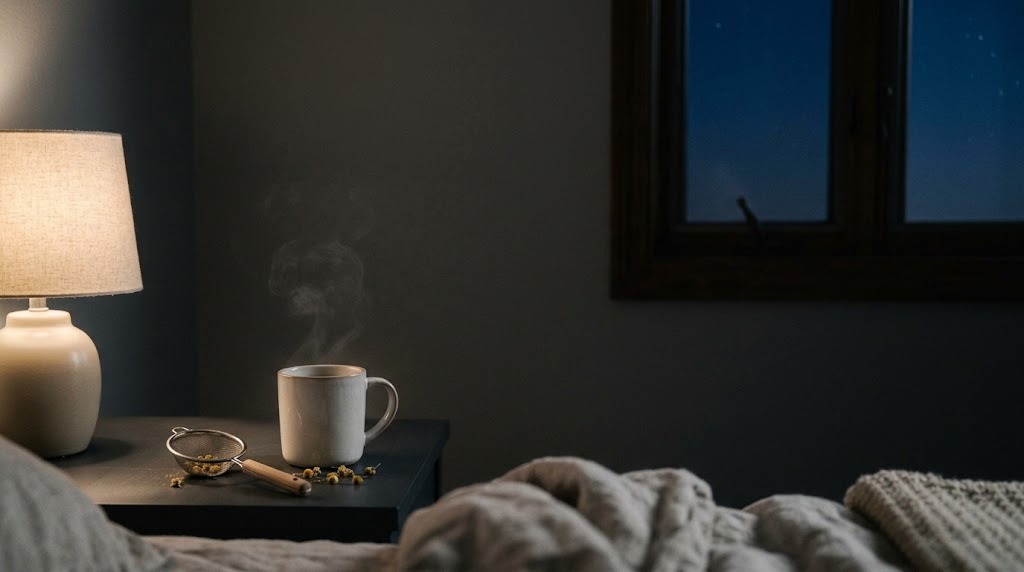
A cup of herbal tea or warm milk before bed is one of the easier habits to pick up. It works best when you have it around the same time every night, so your body starts to expect it.
- How it helps you sleep: The psychological effects of a warm beverage before bedtime actually stem from our younger years. In particular, milk is viewed highly in this regard because it was what we drank as babies and infants. Many children have a routine of getting a bottle before naptime since the sense of comfort it instills can certainly ease sleep problems. Our brains still associate these beverages with a sense of comfort, even if we swap hot chocolate, herbal tea, or hot water in for milk.
- Best for: Tea drinkers who have a variety of herbal blends they can turn to.
- Things to keep in mind: This also pairs nicely with some other sleep-improving methods, such as taking a warm bath or reading (which we will discuss next). You can use your warm beverage of choice as part of a bedtime routine.
Read or Journal to Quiet Your Mind
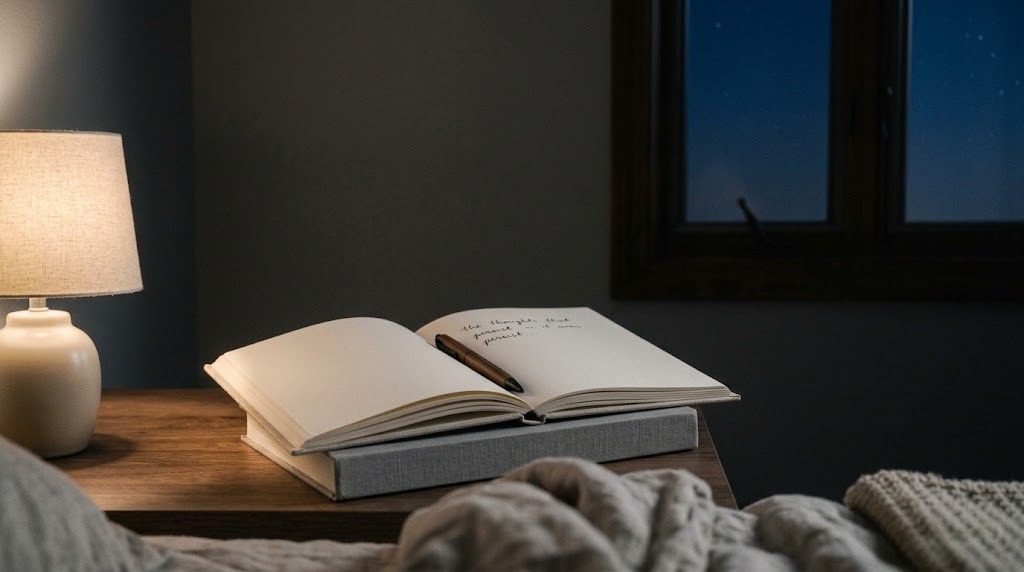
A racing mind is one of the most common reasons people lie awake. Putting your thoughts on paper, or borrowing someone else’s for a few pages, gives your brain something to do besides replay the day.
- How it helps you sleep: Journaling can be a great way to recap your day and ‘tie up loose ends’ that may still be on your mind. You can journal traditionally by simply writing what’s on your mind or, for those who may want more brief options, try bullet journaling. One bullet journaling technique consists of writing three short phrases or sentences: one for what went well during the day, one for what didn’t go so well during the day, and the last one to state a brief intention for tomorrow. If journaling isn’t your cup of tea, you can opt for reading a few pages out of a book. Both options quiet the mind and bring a sense of closure to the day that often allows people to more easily transition to sleep.
- Best for: People who are avid readers, or enjoy writing and always have a notebook nearby.
- Things to keep in mind: If you incorporate reading into your routine, be sure your book of choice isn’t too good, as this might keep you up longer than you intend!
Natural Habits That Set You Up for Sleep
There are a range of habits that set us up for success when it comes to sleep. As with any habit, these practices are most beneficial when practiced regularly. This means they should be done each day or, depending on the habit, each night before going to sleep. These habits work for several reasons.
Firstly, they give our body a sense of predictability that makes sleep somewhat less overwhelming. There is also a biological basis for many of these habits, as they give our body signals that point toward what time of day or night it is. This keeps our circadian rhythms regular, allowing us to be awake during the day when it’s time to do things and sleep at night when it’s time to get some rest.
| Habit | Why it Works |
| Consistent sleep and wake times | Stable schedules allow our body to get used to the routine of falling asleep at a certain time |
| Morning light exposure | Alerts our circadian rhythm as to when it’s morning |
| Moderate timing of caffeine, nicotine, and alcohol consumption | Ensures these substances are out of our system by the time we sleep |
| Get enough movement during the day | Physical activity releases endorphins that assist with relaxation |
| Watch dinner timing and size | Digestion can interfere with our sleep |
| Modify the bedroom | Light impacts circadian rhythms and the release of hormones that may keep us up |
Keep a Consistent Sleep and Wake Time
Many people like to pick and choose with this habit, but the whole point of making this change is to give your body a template to operate on. If you keep a consistent weeknight sleep schedule of 9:00 p.m., and then go to bed at 12:00 a.m. on the weekends and any time you’re off from work, your body and mind can’t develop a sense of when they should produce the hormones that make us sleepy. Therefore, we’re likely to get in a bit of a rhythm during the week, but disrupt that on the weekends, which can be frustrating and counterproductive.
Be sure to choose a moderate time that works best for you all the time. In regards to the example above, maybe 9:00 p.m. is too early for the weekends, so perhaps 10:00 p.m. each night feels more comfortable for you. Reference the Center for Disease Control (CDC) recommendations for sleep hours at each age range when making this decision. For instance, school-aged children between 6 and 12 years old should get between 9 and 12 hours of sleep each night while adults should aim for 7 or more nightly hours of shut-eye.
Get Morning Light and Dim the Evenings
Our body senses many things from our environment to keep us up and running. For example, getting exposure to natural light in the morning (ideally, early in the morning) improves alertness and mood. This also serves to orient our body to the daytime hours, allowing our body the time to begin vital processes that prepare us for sleep.
Similarly, light in the evening can keep us up. We should try to dim the lights in our homes in the evening, either by turning off some overhead lights or switching to lamps, candles, and other mellower forms of lighting. If we need to use electronic devices for whatever purpose, try to store them for the night around 1.5-2 hours before bedtime, as the blue light they give off can also negatively affect our sleep.
Watch Caffeine, Alcohol, and Nicotine Timing
Everything we put in our body has some type of impact on our health, either negatively or positively. However, alcohol, nicotine, and caffeine are especially linked to sleep problems, depending on the timing and frequency of their use. Our bodies continue processing certain foods and substances long after we consume them, which means they can still affect what we’re doing. This is especially difficult if that activity is sleep.
There’s nothing wrong with enjoying these substances in moderation. But those with sleep difficulties should try to adhere to the following cutoff times in order to minimize impact on their rest:
- Stop consuming caffeine (soda, energy drinks, coffee, and some tears) 10 hours before you plan to sleep
- Don’t eat or drink alcohol 3 hours before your planned bedtime
- Avoid nicotine 4 hours before bedtime
Move Your Body During the Day
Physical activity is known to improve sleep quality and decrease the amount of time needed to fall asleep. This may take various forms. Some people have active enough lives that yard work, house cleaning, and job duties give them plenty of physical activity. For those who don’t fall into those categories, such as people who work desk jobs, there are plenty of activities that can improve physical fitness and sleep quality. This includes hiking, walking, jogging, swimming, biking, pilates, yoga, sports, and more.
The only word of advice regarding physical activity is to ensure timing isn’t too close to bedtime, as this may have the opposite intended effect on sleep. Some people opt to exercise in the evening since it’s the only time they have for it, which is acceptable. However, just try not to do too much exercise (especially vigorous activities such as heavy weight lifting or cardio-intensive activities such as running) in the 1 hour before bedtime.
Mind Your Evening Meals
As we mentioned before, even foods part of a healthy diet can impact our sleep depending on when we eat them. We should have enough time to at least partly digest our dinners before going to sleep. If we eat dinner and go to sleep shortly after, our bodies will need to work overtime to digest, since our upright positioning aids food in moving through our intestines. Snacks are acceptable in the evening as long as they are small and filling. Some good options include mixed nuts, yogurt with granola, or a few slices of fruit.
Keep Your Bedroom Cool, Dark, and Quiet
Aim to modify your sleeping environment in a way that’s comfortable, but also allows for sleep from a scientific standpoint. We mentioned earlier that the body needs darkness in the evening to sense what time of day it is. Therefore, your room should be as dark as possible when going to sleep. You can achieve this by closing the door, using blackout curtains, and turning off all electronic devices. Try to keep your room as quiet as possible and use ear plugs or ear muffs if you can’t get your room there otherwise.
In terms of temperature, your room should be slightly cool (ideally between 68 and 77 degrees Fahrenheit) to help your body temperature stay stable overnight. Again, you can achieve this by adjusting the thermostat, layering blankets and sheets as needed, cracking a window slightly, or turning on a fan in your room.
How Long Does It Take to Sleep Without Melatonin?
In order for any health strategy to work, you need to be consistent, patient, and dedicated to making positive changes in your life. When this is the case, it can take between 2 and 3 months of ongoing use of at least one natural sleep aid without melatonin to help you sleep better. It’s important to keep in mind that each person is different, and there is no way to guarantee that your sleep will improve within that time frame. No matter what melatonin alternatives you explore, you should be sure to share these sleep improvement strategies with your healthcare providers. They may be able to offer additional recommendations.
What to Do When You Still Can’t Fall Asleep
We know how difficult it is not to be able to fall asleep. If that happens to you, try to avoid watching the clock since that only increases anxiety and focus on sleep. Don’t turn to your phone or another electronic device to occupy you, as that will only worsen your ability to sleep due to blue light exposure.
If you struggle to fall asleep while in bed for more than 20 minutes, get out of bed and begin a simple, quiet, low stimulation activity like playing music on a radio, writing in a journal, or reading a book. When these activities make you start to feel sleepy, get back in bed. Repeat as needed.
How Sound for Sleep by Soundsory Supports Drug-Free Rest
Sound for Sleep is an integrated sleep program that uses bone conduction for a better night of sleep. With 8 hours of pre-programmed, professionally processed music spanning Celtic, lullaby, and classical genres, Sound for Sleep calms an anxious mind and resets the vagus nerve in preparation for sleep.
Sound for Sleep was developed specially by experts and takes an all-natural, medication-free approach to sleep improvement. Some of its key features include:
- 8 nights of pre-loaded music
- Screen-free
- Doesn’t disturb others in the room
- 8-hour battery life
- USB-C charging capabilities
- Bluetooth-friendly
- Uses aluminum bone conduction speaker technology
- Effective within minutes
- No risk of discomfort, side effects, or dependency
- Has a strong basis of evidence supporting its design
- Safe for use with those of all ages who have ADHD, autism, anxiety, and sensory processing disorder
Learn more about how Sound for Sleep can play a part in your bedtime routine.
When to See a Doctor About Your Sleep
If you or a loved one is dealing with ongoing sleep issues, it’s important to take the next step by reaching out to a doctor or another healthcare provider. When sleep problems begin to impact your daily life and relationships, this is a sign that you may need to seek outside assistance. Some indications of this include:
- Persistent daytime fatigue
- Irritability, anger, depression, or other major mood changes
- Difficulty attending or performing at work or in school
- Inability to regularly maintain social relationships due to fatigue or low motivation
- Ongoing and/or worsening sleep difficulty even after making lifestyle changes
Your doctor may send you to a sleep specialist, psychologist, or another professional who is well-versed in working with people to better manage sleep concerns.
Conclusion
As you can see, there are a range of methods you can use to teach your body how to sleep without melatonin. We mentioned that melatonin can be a great option for some individuals on a short-term basis, and while minimal, this supplement does come along with its own set of risks.
Those looking for long-term assistance are advised to make lifestyle changes and use supportive techniques to improve their sleep. With a combination of environmental modifications, relaxation techniques, evening and daytime habits, and bedtime routines, individuals are sure to find a happy medium that allows them to get good quality rest without the use of natural or prescription sleep aids.
FAQs About Falling Asleep Without Melatonin
How can I sleep without taking melatonin?
There are various non-drug methods to help you fall asleep. Some options include deep breathing, progressive muscle relaxation, journaling, reading a book, drinking a warm but non-caffeinated beverage, and taking a warm bath or shower before bed.
Is it bad to rely on melatonin every night?
Melatonin is considered safe for short-term use, though there is no research to confirm it is safe for prolonged use. We don’t have evidence showing it can cause harm, but experts don’t know its long-term health impacts yet.
What can I use instead of melatonin to sleep?
Various lifestyle changes including early morning light exposure, daytime physical activity, and modifying your bedroom environment can all assist sleep without the use of melatonin.
How do I fall asleep fast naturally?
You can use relaxation techniques and lifestyle changes to fall asleep fast naturally. Keep in mind that these may work, but only after several months of consistent practice.
Can sound help me sleep without melatonin?
Yes! Gentle and calming music (especially from Sound for Sleep by SoundSory) can be a great way to fall asleep easier without taking melatonin.
Is melatonin safe for kids and teens?
Yes. In smaller doses than adults would use, kids and teens can take melatonin on a short-term basis for sleep problems.
How long does it take to sleep without melatonin?
This varies from person to person. Some people may fall asleep naturally in 5-10 minutes, while others may need 20 minutes or more to fall asleep.
References:
- National Institutes of Health. (2022). Use of melatonin supplements rising among adults. Retrieved from https://www.nih.gov/news-events/nih-research-matters/use-melatonin-supplements-rising-among-adults
- Erland, L. A., & Saxena, P. K. (2017). Melatonin natural health products and supplements: Presence of serotonin and significant variability of melatonin content. Journal of Clinical Sleep Medicine : JCSM : official publication of the American Academy of Sleep Medicine, 13(2), 275–281. https://doi.org/10.5664/jcsm.6462
- Mayo Clinic. (2025). Melatonin Side Effects: What are the Risks? Retrieved from https://www.mayoclinic.org/healthy-lifestyle/adult-health/expert-answers/melatonin-side-effects/faq-20057874
- Givler, D., Givler, A., Luther, P. M., Wenger, D. M., Ahmadzadeh, S., Shekoohi, S., Edinoff, A. N., Dorius, B. K., Jean Baptiste, C., Cornett, E. M., Kaye, A. M., & Kaye, A. D. (2023). Chronic administration of melatonin: Physiological and clinical considerations. Neurology International, 15(1), 518–533. https://doi.org/10.3390/neurolint15010031
- American Heart Association. (2025). Long-term Use of Melatonin Supplements to Support Sleep May Have Negative Health Effects. Retrieved from https://newsroom.heart.org/news/long-term-use-of-melatonin-supplements-to-support-sleep-may-have-negative-health-effects
- Antelmi, E., Rocchi, L., Latorre, A., Belvisi, D., Magrinelli, F., Bhatia, K. P., & Tinazzi, M. (2022). Restless Legs Syndrome: Known knowns and known unknowns. Brain sciences, 12(1), 118. https://doi.org/10.3390/brainsci12010118
- Tuft, C., Matar, E., Menczel Schrire, Z., Grunstein, R. R., Yee, B. J., & Hoyos, C. M. (2023). Current insights into the risks of using melatonin as a treatment for sleep disorders in older adults. Clinical Interventions in Aging, 18, 49–59. https://doi.org/10.2147/CIA.S361519
- Centers for Disease Control and Prevention. (2024). About Sleep. Retrieved from https://www.cdc.gov/sleep/about/index.html
- Silvani, M. I., Werder, R., & Perret, C. (2022). The influence of blue light on sleep, performance and wellbeing in young adults: A systematic review. Frontiers in Physiology, 13, 943108. https://doi.org/10.3389/fphys.2022.943108
- Singh, N., Wanjari, A., & Sinha, A. H. (2023). Effects of nicotine on the central nervous system and sleep quality in relation to other stimulants: A narrative review. Cureus, 15(11), e49162. https://doi.org/10.7759/cureus.49162
- Alnawwar, M. A., Alraddadi, M. I., Algethmi, R. A., Salem, G. A., Salem, M. A., & Alharbi, A. A. (2023). The effect of physical activity on sleep quality and sleep disorder: A systematic review. Cureus, 15(8), e43595. https://doi.org/10.7759/cureus.43595
- Iao, S. I., Jansen, E., Shedden, K., O’Brien, L. M., Chervin, R. D., Knutson, K. L., & Dunietz, G. L. (2022). Associations between bedtime eating or drinking, sleep duration and wake after sleep onset: Findings from the American time use survey. The British Journal of Nutrition, 127(12), 1888–1897. https://doi.org/10.1017/S0007114521003597
- Baniassadi, A., Manor, B., Yu, W., Travison, T., & Lipsitz, L. (2023). Nighttime ambient temperature and sleep in community-dwelling older adults. The Science of the Total Environment, 899, 165623. https://doi.org/10.1016/j.scitotenv.2023.165623
Brittany Ferri, PhD, OTR/L
-
