
Listening Fitness (LIFT®)
 Valérie Leroux - June 10, 2016

In this article, we will discuss the basics of an audio device and listening therapy called Listening Fitness (LiFT®). Whether you’ve heard of LiFT® or not, this article will give you everything you need to know, including what this program is and who it’s designed for. We will also discuss basics like required equipment, costs, and the ways it measures up to similar programs on the market. Listening Fitness® is a portable audio device that a person plays music through and speaks into. The device uses innovative technology to create modified versions of those sounds, which is intended to improve a person’s listening skills over time. This program was designed by Paul Madaule, the former assistant and patient of Dr. Tomatis (the founder of the Tomatis Method). Dr. Tomatis helped Madaule overcome concerns related to dyslexia, which sparked Madaule’s interest in the area. Madaule spent years practicing and teaching the Tomatis Method across Europe and South Africa before moving to Toronto in 1978. He later co-founded The Listening Center in 1984 and developed Listening Fitness (LiFT®) with his team in 1999. Due to his background in personally and professionally using the Tomatis Method®, Madaule developed Listening Fitness® with contributions from the Tomatis Method®. The auditory system is essential for many aspects of learning and interacting with our surroundings. But people often confuse hearing and listening. Listening requires active attention and filtering out other sounds or noises that may be around you. So, as you can imagine, a child who has difficulty with listening may struggle to focus in school, prioritize information given to them, and make sense of the world around them. Listening Fitness® addresses a person’s listening skills by using specific music, such as that by Mozart, since it has high frequencies that are especially stimulating for the brain and auditory system. This music, along with a person’s own voice, is used to strengthen the connections between their ears and their voice. This is called auditory feedback training and is a form of sensory integration that helps the body process this type of information. Listening Fitness ® can be helpful for people with the following concerns: Who it’s not the best fit for: This program was designed for children, so it’s most appropriate for school-aged children whose academic performance is being impacted by any of the above concerns. Listening Fitness® is not for adults. It is also not ideal for children who have significant difficulty following directions, as they won’t be able to participate in the program. Individuals with some of the following concerns may have auditory processing difficulties: While these signs don’t always mean someone has auditory processing disorders, it’s possible that people who have many of the problems on this list do. Listening Fitness ® typically consists of two phases lasting 30 hours each. The program should be implemented for 1 or 2 hours a day to allow for a sense of consistency and produce the best results. Between each phase, children will take a “break” period lasting 4 to 6 weeks. The first phase consists of listening to music, and the second phase includes expression and repetition. Clinics that have the equipment for Listening Fitness® as well as providers who are trained in using Listening Fitness® with children can deliver the intervention. The company that developed Listening Fitness ® is no longer offering training, so other providers cannot get certified in this program. The company sells an electronic device that processes the music and a set of CDs containing classical music and word and sentence repetition exercises. It also sells a headphone with a microphone and a portable Sony player to attach to the electronic device. No equipment is required for end users, as they will use what the provider presents them with.
Like any listening program, Listening Fitness® has both benefits and limitations. Here are the main pros and cons to consider:
✅Strong protocol
❌ No professional training anymore
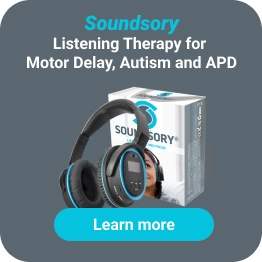
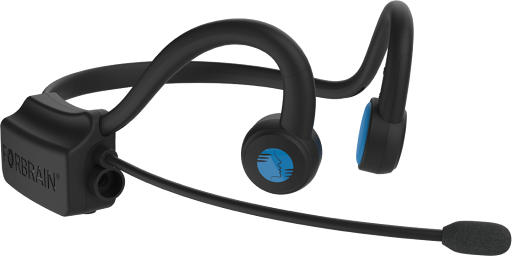
Listening Fitness® can also be paired with complementary approaches that build on similar listening and sensory principles. Two programs that may be used alongside it are Soundsory and Forbrain®. Soundsory is a therapy program that can be done in addition to Listening Fitness®. It is a multi-sensory music and body movement program that is being used by therapists globally and is helping individuals with auditory processing issues and with hand-eye coordination difficulties. Soundsory is suitable for use within clinics or from the comfort of your own home. This program is engaging for children and adults of all ages, incorporating music and exercises to address a range of physical and cognitive skills. Soundsory is a 40-day program of daily 30 minutes of music listening with exercises. The program is divided into two sessions of 20 days each. You can repeat the program over and over if you choose, and this is an option many kids select since it’s so fun and motivating for them. Learn more about Soundsory here. The Forbrain ® program is another option that pairs well with Listening Fitness®. Forbrain ® uses a dynamic filter, a microphone, and bone conduction technology to amplify the user’s voice and improve vocal patterns. This stimulates the sensory system as well as speech and language. Forbrain® involves 20-minute sessions per day for six weeks. Learn more about Forbrain here. Founded by Paul Madaule with foundations from the Tomatis Method ®, the Listening Fitness ® program creates modified versions of a child’s voice and specific music, which is intended to improve a person’s listening skills over time. There are complementary options that pair quite nicely with this program including Soundsory, which is a music- and exercise-based program that helps children and adults improve cognitive and physical function. Soundsory can be used at home or in the clinic. Forbrain ® is another option to complement the Listening Fitness ® program. Forbrain ® uses bone conduction technology and similar features to improve a child’s vocal patterns. No matter which option you choose, any of these programs can potentially benefit children with auditory processing concerns as long as they are completed with consistency.
Listening Fitness (LIFT®)
What is Listening Fitness (LiFT®)?
How Does Listening Fitness (LiFT®) Work?
Who Is Listening Fitness (LiFT®) For?
Signs of Auditory Processing Difficulties
How Long Does the Listening Fitness (LiFT®) Program Take?
Where and How Is Listening Fitness (LiFT®) Delivered?
What Equipment is Used?
Pros and Cons of Listening Fitness (LiFT®)
PROS
✅Close to the Tomatis Method principlesCons
❌ Old fashioned equipmentComplementary Approaches to Listening Fitness (LiFT®)
Soundsory

ForBrain®
Listening Fitness®
Soundsory
Forbrain
What it offers
Sound modification to improve active listening skills over time
Exercise and music to improve coordination, memory, and learning
Sound modification to amplify your voice and improve vocal patterns
Best suited for
Children with auditory processing concerns, ADHD, or learning disorders
Children and adults with ADHD, autism, or sensory processing concerns
Children with speech difficulties, learning disorders, autism, ADHD, or special education needs
Ease of use
Needs to be implemented by a trained provider in a clinic setting
Can be used at home or in a clinic
Can be used at home or in school
Program length
60 hours
40 days
6 weeks
Wrapping Up!
Valérie Leroux
-
