
How to Turn Off Your Brain at Night: 8 Proven Ways
 Brittany Ferri, PhD, OTR/L
 Occupational Therapist, Writer
August 12, 2026
Many people with sleep struggles are familiar with what it’s like to lay down while feeling exhausted beyond words but have a brain that doesn’t want to switch off. This can be incredibly frustrating and is a common problem that occurs when your body is out of sync. Having these difficulties doesn’t mean you aren’t trying your best to get good rest. And you’re not alone. In fact, between 39 and 78% of Americans have lost sleep due to racing thoughts over various life issues. This article will teach you the reason people often have trouble turning their brain off for the night and what to do about it, including strategies and sleep programs such as Sound for Sleep. For those lying awake right now and searching for answers, we have several strategies to try. We have intentionally placed these methods in a certain order, since we advise trying certain ones before others. If you try the first one to teach yourself how to turn your brain off at night and don’t get many results, don’t give up. Try that method for about a week before making the decision to move on. If you still don’t get relief from sleeplessness, simply move on to the second technique and try that for a week. Be sure to jot down how each method makes you feel, and how long you tried it for so you can recall which have been effective and which haven’t worked for you. Read on to learn what these strategies are, why each of them works, and how to carry them out in your nightly routine. This strategy sounds a little too good to be true, but it is a great foundation to start with if your brain has trouble switching off. Many people spend a lot of energy and effort trying to optimize their sleep to be just right. But this can often have the opposite effect, especially if you start to experience stress from not seeing the results you want. This strategy, called paradoxical intention, involves taking the pressure off the act of sleeping and instead focusing on getting any amount of rest. Technically, just laying in bed is giving our body a rest, so try to shift your mindset to recognizing what the act of laying down is doing for your well-being. Paradoxical intention is a great fit for people who feel like they’re trying too hard to sleep and are dwelling on the thought of getting better sleep. This strategy can be a great way to relieve the mental pressure that prevents our brains from letting us sleep. By easing the cognitive resources we are using, our brain becomes less alert and more able to slip into a relaxed state that shows you how to quiet your mind for sleep. While this strategy is simple, there are some steps to help you get started: Cognitive shuffling is a relatively new technique that shows great promise for helping people get to sleep. Developed by Dr. Luc Beaudoin, cognitive shuffling has a similar basis to paradoxical intention in that it emphasizes how overly focusing on certain thoughts can delay sleep. For this reason, cognitive shuffling is ideal for people who struggle to get to sleep at night or wake up in the middle of the night and have a hard time getting back to sleep. In order to practice cognitive shuffling to learn how to clear your mind for sleep, you will use a series of neutral, meaningless, boring images and thoughts that help create a sense of monotony. This simple task not only takes your mind off your worries, but creates a routine that the brain can switch to autopilot for. You can think of cognitive shuffling as a meditation-style game where you mentally draw out the images you are imagining. There are several ways to go through cognitive shuffling. One of these includes the following steps: An important part of this strategy is keeping the words neutral so that you don’t have any strong emotions attached to them. If you think of and visualize a word that makes you feel overly happy, distressed, uncomfortable, or anxious, you can use some deep breathing or progressive muscle relaxation strategies (described later in this article) to recenter yourself. When you feel regulated and ready, you can resume cognitive shuffling by moving on to another word. You can repeat these steps as long as it takes for you to fall asleep, as there is no recommended amount of time to run through cognitive shuffling. If you prefer, you can choose some alternative steps for cognitive shuffling: While we may not even recognize it, our breathing says a lot about our mental state. We tend to breathe quicker and more shallowly when we are anxious or distressed, which is why deep breathing is known to be effective for those in times like these. The same goes for people who are anxious about going to sleep, which undoubtedly has an impact on their ability to shift their brain off for the night. Deep breathing is known to improve sleep quality and shorten the amount of time it takes to fall asleep. One of the most important factors to keep in mind related to deep breathing is to focus more on the exhale rather than the inhale. You do need to take a sufficient amount of air into your lungs in order to fully exhale, but the exhale is where we really feel the old air leave our bodies and make room for new air. There are various types of deep breathing, including box breathing, belly breathing (diaphragmatic breathing), alternate nostril breathing, pursed lip breathing, and humming breathing. We will walk you through the steps to 4-7-8 breathing, which is considered especially helpful if you want to learn how to turn off your brain so you can sleep. 4-7-8 breathing involves the following steps: Many people may rely on music to calm themselves and boost their mood during the day, but music can also help settle the mind in the evening to help prepare for sleep. Steady, soothing sounds found in music give the mind something to hold on to rather than allowing racing thoughts to fill space there. The music that is most helpful for sleep may vary from person to person based on their preference. However, evidence does show that some tunes (such as classical music, lullabies, and Celtic music) are particularly effective for getting to sleep. Sound for Sleep by SoundSory offers an integrated playlist within a bone conduction pillow speaker. This type of pillow speaker gives you a personalized listening experience that doesn’t impact your partner or anyone else in the room. This program is screen-free (protecting us from any blue light that is known to keep us up through the night) and doesn’t require the use of any medications or supplements. With an 8-night structured music program, Sound for Sleep has professionally processed tracks that have each been hand-selected to show you how to quiet your mind to sleep. This technology comes with a USB-C charging port for easy battery replenishment, automatic shut-off, and an 8-hour battery life, helping you stay connected all night long without any need for your intervention. It’s common for anxiety and racing thoughts to manifest in the body, which can lead to headaches, nausea, and (most notably) overly tense muscles. By addressing this tension, we can make our bodies more comfortable and simultaneously clear our minds in preparation for sleep. Progressive muscle relaxation is one great way to do this. This technique allows for greater body awareness and deeper relaxation that comes one muscle group at a time. Progressive muscle relaxation works by tensing one group of muscles in the body for a short period of time, then relaxing them. You move through each muscle group in the body, which is essential because we don’t always know where our tension is before we practice this exercise. Follow these steps to practice the technique: This is another simple technique that is part of a therapeutic technique called Cognitive Behavioral Therapy for Insomnia (CBT-I). If you are in bed and laying awake for too long while you try to get to sleep, your brain will learn to connect your bed with trying to get to sleep rather than sleep itself. This link will only make it more and more difficult to sleep as time goes on. Therefore, if you’re in bed for 15-20 minutes without any success in falling asleep, it’s best to get out of bed and help your brain reset to focus on something new altogether. When this happens, it’s recommended to shift to a simple, non-stimulating activity that doesn’t require too much thinking or effort. Some examples include meditating, reading a boring book that you know doesn’t interest you, gently stretching your body, sitting in a comfortable chair with a heated object (blanket or hot water bottle), drinking a warm but non-caffeinated beverage, or meditating for a short time. There are other options that can also work. The most important thing to remember about this strategy is to avoid screens at all costs, as the blue light exposure will only make it more difficult to get to sleep. The problem with racing thoughts is mostly that they don’t have anywhere to go. Therefore, it creates a loop that allows us to continue dwelling on them over and over again without any relief from how they make us feel. This is why our next strategy works: it helps break that loop and gives the anxious, racing thoughts a place to go rather than staying in our mind. Saying your worries out loud in a sort of brain dump allows us to clear our minds and get ready for the next step, which is sleeping. We can verbalize these worries out loud as a way to vent them to the world around us, or you might find it effective to jot them down on paper to separate them from us in another way. If you choose to do the latter, follow these steps: In a similar vein as focusing too much on sleep, checking the clock as you try to fall asleep can have the opposite intended effect. Some people may look at the clock so they can mentally calculate how many hours of sleep they would get if they fell asleep at a certain time. But this only fuels the anxiety surrounding not being able to sleep. In addition, looking at your phone to check the time exposes you to blue light, which makes it even harder to sleep. Instead of just saying to stop checking the clock, the best way to implement this strategy is to distract yourself from the time it takes to fall asleep. You can do this by using some of the activities we listed in another section, specifically those that you should turn toward when you get out of bed after 20 minutes of trying to fall asleep. These are far more likely to help you get to sleep than staring at the clock and simultaneously increasing your racing thoughts. Sometimes they go hand in hand, but waking up in the middle of the night is actually a separate problem from not being able to fall asleep in the first place. You shouldn’t feel stressed about brief nighttime awakenings as long as you’re able to get back to sleep. These are normal and don’t need any sort of addressing. But if you need help falling back asleep after waking up, there are some strategies you can try. As we mentioned before, cognitive shuffling can be good for both of these concerns. Another trick is called the Military Sleep Method, which is designed to be highly efficient, as it was initially used by soldiers who had limited downtime. In two minutes or less, you can use the Military Sleep Method as follows: There are many reasons why it can be difficult to switch your brain off. We will go through some of the common ones in the next section and detail what strategies may be most beneficial for these concerns. When our brain is overly alert and aroused, we have difficulty switching off. This means we either stay mentally active longer than we need (or want) to or we tend to be mentally active more easily than we should be. Regardless of which of these categories you fall into, there are ways to address the causes of hyperarousal that keeps us awake. First we need to learn why these causes keep us awake in order to understand how to best manage them. When people have racing thoughts at night, they’re very likely to have them during the day, too. But most people have a lot going on during the day, so there are many opportunities to distract them from those thoughts. Once the activities of the day have ended and we free up more time to relax or spend with loved ones, it’s common for those racing thoughts to get louder and more difficult to manage. This can especially impact our ability to get to sleep. If you have unfinished work from earlier that day or you’re focused on what tomorrow will bring, your brain won’t have the time to power down before you sleep. This, coupled with laying still in bed without anything else to do, will allow your brain to rattle off solutions and answers in an attempt to deal with those problems, projects, or whatever else you’re thinking of. Hormones play a big part in our ability to get to sleep. In particular, a stress hormone called cortisol tells our body that it’s time for action, which keeps us alert, awake, and ready to respond to potential dangers around us. Ongoing stress during the day tends to keep these levels high in our body, which extends through the night. As you can imagine, this isn’t an ideal situation for our sleep readiness. Any form of stimulation can impact our ability to sleep, but there are many types that we may not know about. Blue light, which is given off from electronic devices such as TVs, tablets, cellphones, laptops, and more, is known to impact our alertness and keep us awake at a time when we should sleep. But strenuous exercise, mentally taxing activities such as homework or paperwork, and more can also stimulate us and keep us awake longer than we need to be. It has long been known that our daytime habits influence our nighttime habits and vice versa. What we consume stays in our body for a certain amount of time, meaning it has the potential to keep us awake based on when it enters our system. This goes for large meals and snacks that take the form of greasy, hard-to-digest foods, but certain substances are even more impactful. For instance, any caffeine (energy drinks, some teas, coffee, and soda) stands to impact our sleep if it is consumed 10 hours or less before bedtime. Similarly, alcohol and food items will affect our ability to fall asleep if ingested 3 hours or less before bedtime. Nicotine will do the same if it’s consumed in any form 4 hours or less before bed. Our body has an internal clock (called a circadian rhythm) that gives us a sense of when it’s time to go to sleep and when it’s time to wake up. If we naturally wake up at 7 a.m. most mornings without assistance, that’s because of our circadian rhythm. The same goes for sleep time. If your natural ‘sleep’ time doesn’t get you off to sleep until 2 a.m. and wakes you up for good only a few hours after that, this means it may need adjusting to get you better sleep. It can certainly be stressful when you are trying to work against sleep problems to get the rest you need. Sometimes, this carries over to the bed by making us more stressed. This often happens when we get used to spending a lot of time in bed trying to fall asleep, tossing and turning, and wondering what will finally work for us. We learn to make this connection, which means we can unlearn it and try to replace it with better habits. Many people view sleep as an idealistic goal that we need to achieve to get the perfect picture of health. While sleep is certainly important, it doesn’t need to stress you out. In fact, this will only make it seem further away the more we try. Try to ease the pressure you place on yourself, but don’t give up. Try new strategies (including the ones we’ve discussed here) and be sure not to repeat ones you’ve already learned don’t work. This will only make things more frustrating. The bedroom can be a make-or-break factor for sleeping. There are several adjustments that can be made to turn it into a refuge for you as you drift off to sleep: It’s also good to have a plan to add some of these components in your routine when you travel or sleep in an unfamiliar place. Routines are essential to all humans, as they help provide structure and offer a sense of predictability. Sleep is no different, as routines help our brain slow down before bed. You can choose whatever relaxing activity works for you: a brief yoga practice, gentle stretching, meditation, reading a few pages of a preferred book, taking a hot bath or shower, or getting some items prepared for your morning routine. As we said before, it’s best to avoid screens, but otherwise the contents of this routine are entirely up to you. The consistency of the activity matters much more than the activity itself. Other daytime habits can make you drift off to sleep more easily. These include: It’s also important to know the difference between sleepiness and fatigue. It’s ideal to go to bed when you are truly sleepy rather than simply fatigued. Fatigue may be something we experience after doing a lot during the day or exerting ourselves. This may be remedied by taking a sitting break or engaging in some leisure time to temporarily rest. Sleepiness is an indication we need actual sleep to restore our energy. Some signs of sleepiness include: When a Racing Mind Needs More Than Self-Help There are times when ongoing sleep troubles are worth checking into by contacting a healthcare professional. This may be because certain sleep conditions impact your ability to effectively sleep. We strongly suggest that you consult a professional if this is the case. CBT-I: The First-Line Treatment for Chronic Insomnia Cognitive Behavioral Therapy for Insomnia (CBT-I) is one of the first-line treatments for insomnia. CBT in general can be great for a range of conditions, though CBT-I specifically targets negative thoughts that may impact your ability to get to sleep. Through various cognitive strategies, CBT-I can help people learn about negative beliefs that may be impacting their ability to develop healthy habits like sleep. As with any therapy modality, CBT-I requires consistent participation and high engagement in order to be effective. This means you need to commit to sharing your thoughts openly and honestly and be patient over the course of 2-3 months in order to see benefits. Your doctor may also recommend other options such as low doses of melatonin, light therapy, and short-term sleep medications. Some people may find benefit from these, while they may not be a good fit for others. Either way, you should be prepared to discuss any option that your doctor brings up and ask questions so you are fully aware of what each entails before making a decision. Keep in mind that it’s advised to speak with your healthcare professional (ideally, a doctor or therapist) before starting any form of therapy, medication, or supplement. They can offer personalized recommendations and guidance based on your needs and history. If you have sleep problems that persist over 3 months or more and have a major impact on your ability to function during the day, it’s recommended to see a doctor. This also applies to anyone who finds they are increasingly reliant on sleep medications or other aids and experience warning signs such as major mood or focus changes, chest pain, or difficulty breathing. Sleep apnea is one of the most common sleep-related conditions, impacting over 83 million people in the U.S. This isn’t to say that anyone with sleep concerns also has sleep apnea, but it’s important to check with your doctor if you have these signs to ensure that is the case. Sound for Sleep has an 8-night music program built in, meaning it eliminates the need to pair it with your phone or download a playlist. That’s a valuable benefit, not to mention it includes professionally processed classical, lullaby, and Celtic music to usher your brain and entire nervous system into a calmer state that is ready for sleep. Sound for Sleep by SoundSory was expertly designed for people with a range of health conditions, including those with sensory sensitivities, anxiety, attention-deficit/hyperactivity disorder (ADHD), hyperactivity, ongoing stress, and autism spectrum disorder (ASD). However, it can benefit individuals of all ages with or without health problems who simply want to switch their brain off more easily at the end of the day. To learn more and make a positive change for your health, explore Sound for Sleep by SoundSory. Anyone who has difficulty turning their brain off to sleep at night knows how much this problem can weigh on you. But using simple, screen- and medication-free strategies from the comfort of your own home can get you off on the right foot to fixing this concern. It’s important to be consistent and not retry strategies that have already proven ineffective for you. If you continue to have difficulties sleeping and exhibit worsening daytime sleepiness, focus, productivity, and health concerns, be sure to contact your doctor to get more specific guidance. Keep in mind that getting good sleep is not an end goal; rather, it’s a journey that you can improve upon by making gradual changes over the course of many months and years. This will help instill good sleep habits in you for life. There are many strategies you can use if you’re wondering how to turn off your brain at night. From deep breathing to progressive muscle relaxation and soothing music from programs like Sound for Sleep by SoundSory, you can filter through several options to find what works for you. It’s common for our minds to race when it’s time for sleep. This is often because our bodies aren’t occupied and we have nothing else to focus on. A short deep breathing sequence (lasting less than 1 minute) is one of the quickest ways to quiet your mind in preparation for sleep. Playing music is another strategy that takes less than 1 minute to set up and get going. It’s best to get up if you’ve been in bed for 20 minutes without getting to sleep. This prevents your brain from connecting being in your bed to feelings of sleeplessness. When this happens, someone’s brain is in the habit of being on at night when they should be asleep. This stems from a disruption of circadian rhythms. Yes. Music, white noise, and pink noise are some of the most common sounds that ease the mind and help you get to sleep. While there isn’t a lot of research on its effectiveness yet, people do say that cognitive shuffling helps them get to sleep. Cognitive shuffling works by giving the brain a structured but boring task that allows their brain to shift to a less active mode, allowing for sleep shortly thereafter. Bad dreams, feelings of restlessness, and intense anxiety can all lead to racing thoughts that wake us up in the middle of the night. People who frequently wake in the middle of the night may also have medical concerns such as sleep apnea or an overactive bladder. Individuals who have sleep apnea can surely experience racing thoughts. Sleep apnea episodes cause someone to stop breathing as they sleep, which can lead to waking feelings of anxiety about what may occur when that happens. This is different for each person. But if you use verified strategies, you can ease the effect of racing thoughts at night within a few minutes. If you are too tired to function properly at work or school or experience ongoing racing thoughts for 3 months or more, it’s best to speak with a doctor. They can offer more targeted advice and complete tests that help you uncover the cause of your racing thoughts. References:
What to Do Tonight When Your Brain Won’t Shut Off
Technique
Time Needed
Who it’s best for
Stop trying to fall asleep
5 minutes
People who put a lot of energy into getting more sleep
Cognitive shuffling
5 minutes
Those who have racing thoughts and enjoy games
Deep breathing
1 minute or less
People whose anxiety may cause shortness of breath or shallow breathing
Music
1-2 minutes
Light sleepers and those who find peace from calming music
Progressive muscle relaxation
6 minutes
People with muscular tension as a result of their anxiety
Get out of bed after 20 minutes
1 minute
Those who spend a lot of time in bed tossing and turning while they try to get to sleep
Speak your worries
5 minutes or less
People with a lot of concerns on their mind and those who don’t often journal or vent to others about their problems
Don’t look at the clock
1 minute
Those who fixate on how much sleep they will get if they fall asleep at a certain time
Stop Trying to Fall Asleep
Give Your Mind Something Boring to Do (Cognitive Shuffling)
Slow Your Breathing
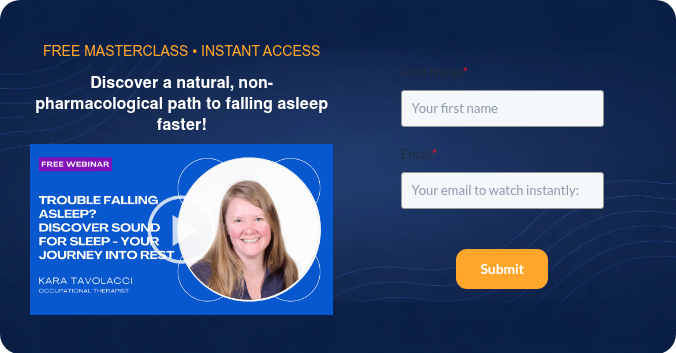
Use Calming Sound to Settle Your Mind
Relax Your Body Muscle by Muscle
Get Out of Bed if You’ve Been Awake for 20 Minutes
Say the Worry Out Loud
Stop Checking the Clock
What to Do When You Wake at 3 AM and Can’t Switch Off
Why Your Brain Won’t Switch Off at Night
Cause
Why it Keeps You Awake
What to Try Tonight
No distractions
We aren’t occupied in bed so there isn’t anything else to focus on
Cognitive shuffling
Brain is still problem-solving
We are still working through problems or concerns from earlier that day
Saying the worries out loud
High stress hormones
Hormones keep our brain in a constant state of alertness
Deep breathing, progressive muscle relaxation
Stimulation/screens before bed
Blue light and strenuous activities keep us mentally active and alert
Soothing music without the use of screens
Caffeine, alcohol, nicotine
Consuming these substances too close to bedtime stimulates the brain
Adjusting the timing of using these substances
Body clock is out of sync
Circadian rhythms are programmed to keep you up at night and tired during the day
Stop trying to fall asleep, stop checking the clock
You’ve learned to be awake in bed
You have begun to associate bed with stressful, awake time
Get out of bed if you’ve been awake for more than 20 minutes
There’s Nothing Left to Distract You
Your Brain Is Still in Problem-Solving Mode
Stress Hormones Haven’t Come Down
Screens and Stimulation Before Bed
Caffeine, Alcohol, and Nicotine
Your Body Clock Is Out of Sync
You’ve Learned to Be Awake in Bed
Why Trying Harder to Sleep Makes It Worse
Setting Up Your Bedroom for a Quieter Mind
How to Build a Sleep Routine That Actually Works
Daytime Habits That Make Nights Quieter
Sleepy vs. Tired: When to Actually Go to Bed
Conditions That Can Keep Your Brain Switched On
Other Options a Doctor May Discuss
When to See a Doctor About Your Sleep
How Sound for Sleep by Soundsory Helps You Switch Off Your Brain at Night
Wrapping Up!
FAQs
How do I turn off my brain at night?
Why does my brain start racing as soon as I lie down?
What is the fastest way to quiet your mind to sleep?
Should I stay in bed or get up when my brain won’t switch off?
Why do I feel exhausted all day but wide awake at night?
Can sound or music help clear your mind to sleep?
Does cognitive shuffling actually work?
Why do I wake up at 3 AM with a racing mind?
Can a racing mind at night mean sleep apnea?
How long does it take to stop the racing thoughts at night?
When should I see a doctor about a racing mind at night?
Brittany Ferri, PhD, OTR/L
-
