
Interactive Metronome®
 Valérie Leroux - October 24, 2023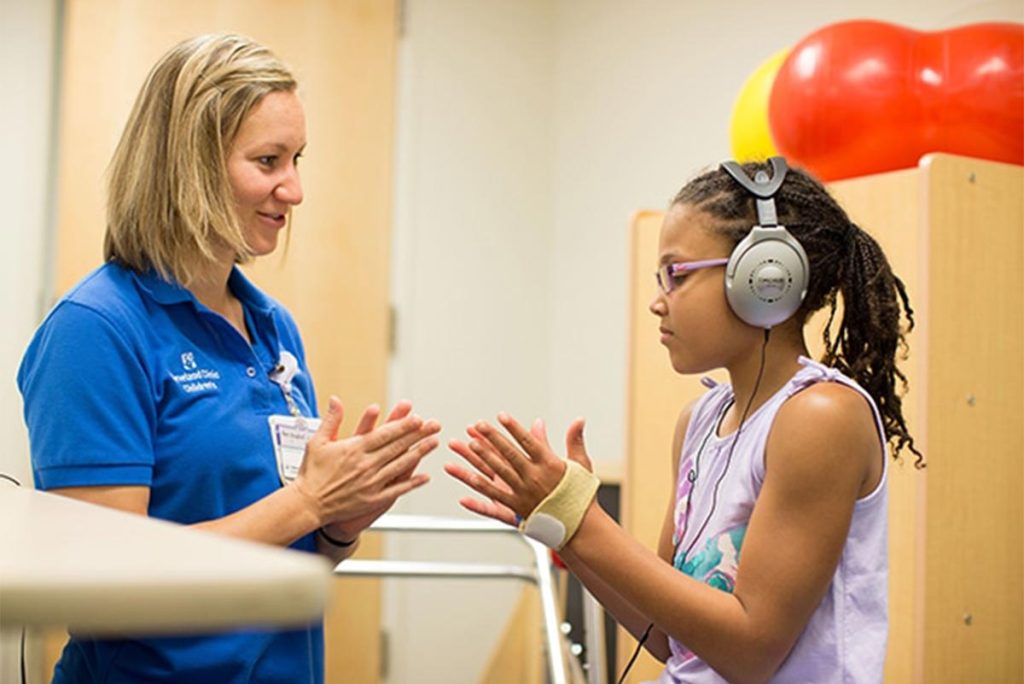
In this article
What is Interactive Metronome® (IM)?
How Does Interactive Metronome Work?
Who Can Benefit from IM?
What to Expect During IM Training
Where Does Interactive Metronome Come From?
Which Equipment is Needed for IM?
What is the Evidence Behind IM?
What Is the Time Commitment Required by IM?
Where Can IM be practiced, and Who Delivers It?
Can IM be Individualized?
How Much Does IM Cost?
Pros and Cons of Interactive Metronome
What are the Alternatives or Complementary Approaches to IM?
Who delivers IM?
Given the variety of brain training programs that are currently available on the market, it might be challenging for parents and therapists to choose the best options. We have looked into the Interactive Metronome® (IM) program. What is included in this program, is it effective enough to have an impact? How much does it cost, and how does it stack up against other alternatives?
What is Interactive Metronome® (IM)?
The Interactive Metronome® (IM) program is computer-based training software that aims to improve the timing and synchronization of neural networks in the brain. This program involves a series of exercises that require the participant to match their movements with a metronome beat, helping to improve attention, coordination, and overall cognitive function.
IM is software consisting of a series of 13 hand- and foot-interactive exercises that are performed while auditory tones direct the individual to match the metronome beat. The program evaluates and assesses the user performance to track progress in these formative skills.
How Does Interactive Metronome Work?
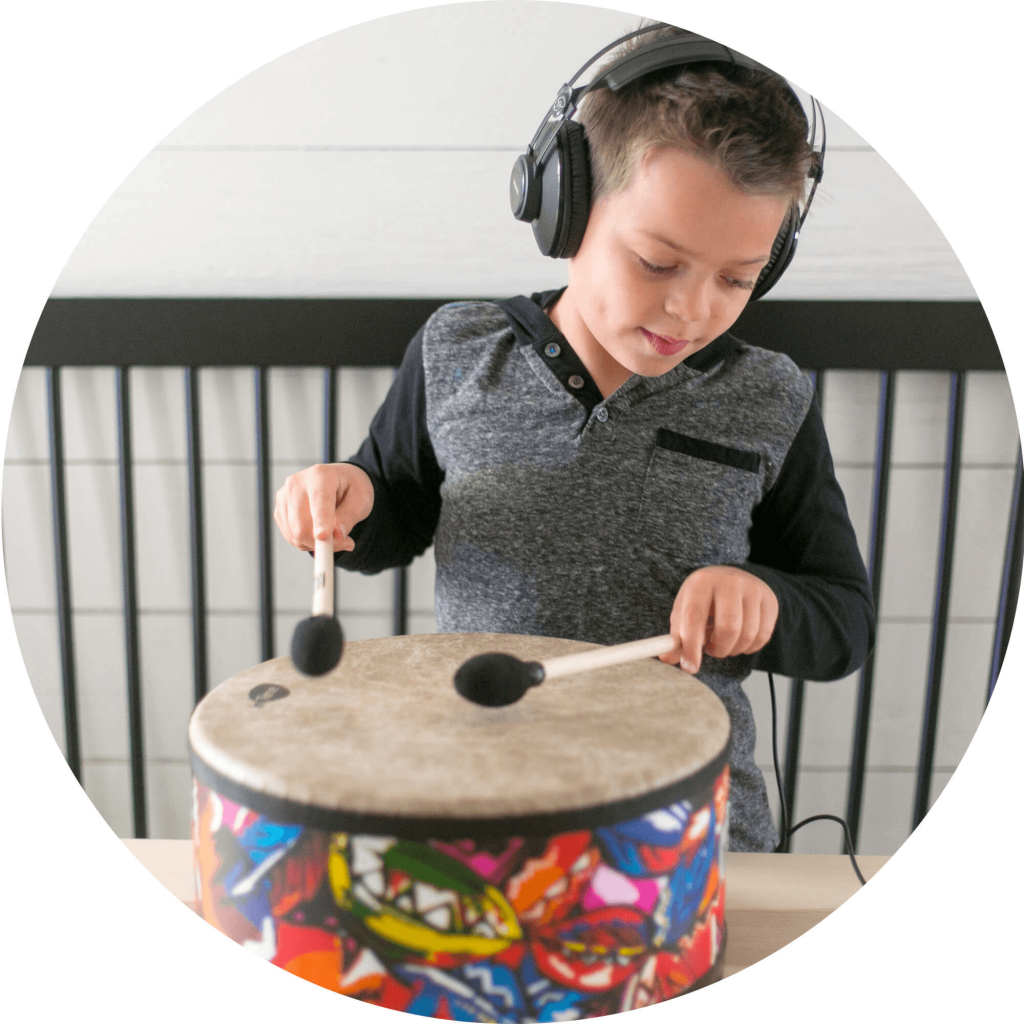
When using IM, a person works to synchronize their whole-body hand and foot movements to a precise computer-generated beat. The person hears this beat through headphones, meaning they receive real-time audio and visual feedback, which the program scores in just milliseconds. The software’s high level of precision allows you to see actual results of what you’re doing nearly immediately after doing it. As a result, the person using IM gets some feedback to keep doing what they already are, or they can take the opportunity to adjust their movements and improve their performance!
Who Can Benefit from IM?
IM can benefit individuals who struggle with motor planning and sequencing, attention, language processing, and other cognitive and physical challenges. It has been used with both children and adults who have some of the following conditions:
- Attention-deficit/Hyperactivity Disorder (ADHD): Difficulty focusing and/or impulsivity that impacts their performance in school, work, and household activities, as well as incoordination and some motor concerns.
- Autism spectrum disorder: Impacts both children and adults, and can cause fine and gross motor delays as well as difficulty with tasks that require coordination, and sequencing.
- Cerebral palsy: Muscle weakness, stiffness, balance, and limited motion on one or both sides of the body, which starts early in a child’s life.
- Cerebrovascular accident (stroke): Difficulty with movement, balance, and strength on one or both sides of the body, which can impact adults of any age who experience brain damage.
- Traumatic brain injury (TBI): Brain damage that may cause many of the same symptoms as stroke, depending on the part of the brain injured.
- Sensory processing disorder: Causes the nervous system to have difficulty taking in and using sensory information from the environment.
- Learning disabilities: Difficulty processing information to learn new concepts and skills.
- And more!
Who it is not the best fit for: If a person cannot follow instructions and has significant behavioral concerns (such as aggression) that prevent them from working with others, they may not be suitable for IM.
What to Expect During IM Training
IM training sessions typically last for an hour. During sessions, individuals are asked to match their movements with a steady beat provided by the software. They do this by manipulating hand and foot sensors that measure your movements down to the millisecond. Over time (either the same session or multiple visits), the level of difficulty and the amount of distractions the program provides will increase. This offers users a challenge that helps improve their skills! The program takes care of tracking your progress initially, during, and after sessions. Such data tracking puts this important information in clear terms you can see, making it easy to understand how IM is making an impact on your performance.
Where Does Interactive Metronome Come From?
IM was developed in the United States by James Cassily, a record producer and engineer, in 1993. Originally, IM was a device used by musicians to improve their rhythm and timing. Cassily presented his findings to Dr. Stanley Greenspan, a child psychiatrist, author, and director of the National Institute of Mental Health. Together, they improved the device’s features and gave it the name Interactive Metronome® (IM).
IM first entered clinical settings as a way to help children with learning and developmental disorders. Next, it came into rehabilitation programs geared toward adults with neurological disorders. Over the past 20 years, IM has trained more than 45,000 providers across 60 nations. IM is available for use by providers with home versions available for those of all ages. A division of IM called “BrainBeat” has also been launched for use at home by children with ADHD and learning disabilities.
Which Equipment is Needed for IM?
Interactive Metronome® is a software program functioning with various accessories. These include headphones, button triggers (worn like gloves), wireless foot-tap pads, a large and small hand glove, a wired tap mat, and a wired hand trigger.
When you order any package, it also comes with a USB cable, coin battery, and Y-connector, which are needed to operate the program. The IM Pro MCU unit has 100 hours of exercises preloaded onto the software (called the IM Universe), so you are ready to go once you set it up.
What is the Evidence Behind IM?
Although more than 40 peer-reviewed research studies and white papers on IM have been published, occupational therapy (OT) literature makes up the majority of the literature base for IM. The standard medical literature has a small but growing body of work. For now, there is not enough data to suggest it as a first-line treatment for conditions like ADHD. One meta-analysis showed that the Interactive Metronome® training had moderately positive effects on motor function for individuals with neurological conditions and athletes as well as healthy people.
While small-scale and only preliminary, one study found that children with ADHD who participated in the IM program experienced a significant reduction in parent-reported ADHD symptoms. Additionally, these children saw inattention and hyperactivity improvements similar to what they experienced from commonly prescribed ADHD medication (specifically, low-dose methylphenidate).
Other studies have found IM is associated with improved time tracking, reading, and math achievement in elementary school students; enhanced cognitive capacity in veterans who sustained traumatic brain injuries; increased rhythmic skills in adolescents and young adults; and greater balance and memory in older adults.
What Is the Time Commitment Required by IM?
The time commitment required by Interactive Metronome® varies depending on the individual’s needs and goals. However, the program consists typically of around 15 half-hour sessions. The length of time required to complete this many sessions depends on many factors such as your schedule, the provider’s schedule, your tolerance for therapy, and more. These estimates may not be accurate for everyone, as your treatment plan will be tailored to your personal goals.
Where Can IM be practiced, and Who Delivers It?
Interactive Metronome® can be practiced in a variety of settings, including clinics, hospitals, schools, and even at home with the use of specialized equipment and software. It is important to work with a trained healthcare professional (occupational therapist, speech therapist, physical therapist, psychologist, etc.) to ensure proper implementation and effectiveness of the therapy.
Interactive Metronome Certification training takes one day and costs USD $249, not including equipment. There are no prerequisites to enter the course, and there are two professional certification levels available.
Can IM be Individualized?
Interactive Metronome® can be individualized by adjusting the tempo, duration, and difficulty level of the exercises based on the specific needs and abilities of each person. Additionally, therapists can tailor the program to target specific areas of improvement such as attention, coordination, or language processing.

How Much Does IM Cost?
The cost of Interactive Metronome® varies depending on the provider and the length of the therapy. It is best to contact a licensed Interactive Metronome® provider for specific pricing information.
Pros and Cons of Interactive Metronome
Here’s a quick overview of the main advantages and drawbacks of using Interactive Metronome:
PROS
✅Playful approach
✅Incorporates upper and lower body movement
✅Addresses both physical and cognitive function
CONS
❌ Requires professional equipment
❌ Not the most user-friendly
❌ Rather expensive
What are the Alternatives or Complementary Approaches to IM?
Some of the competitors or complementary approaches of Interactive Metronome® include NeuroNet Learning, BrainTrain®, Cogmed, inTime and Rhythm Works. These companies offer similar programs that focus on improving cognitive and motor skills through rhythmic exercises. IM also has a partnership with Forbrain® as a potential complementary approach as an Altered Auditory Feedback (AAF) Device.
For your reference, we have listed some of the complementary or alternative approaches to IM:
Soundsory®
The Soundsory® program combines a set of movement-based exercises with specially composed music that has undergone neuro-acoustic processing. The main goal of Soundsory® is to lay solid foundations for more advanced cognitive processes, starting with the basics of sensory integration. When used independently, the program lasts for 40 days at a rate of 30 minutes per day.
Soundsory encompasses a range of exercises that stimulate the mind and body, and are completed alongside music. This not only makes it fun and engaging, but creates a whole body experience. Soundsory is ideal for children and adults who have autism, ADHD, sensory processing disorder, auditory processing disorder, chronic stress, sleep concerns, and more.
- What makes it different? Soundsory uses innovative technology to provide users with a unique experience involving music, exercise, and fun activities
- Home or clinic: Both!
- Pros: Easy and fun to use from the comfort of your own home; proven effective for several conditions
- Cons: You may want the program to continue beyond 30 days!
- URL: https://soundsory.com/

Forbrain®
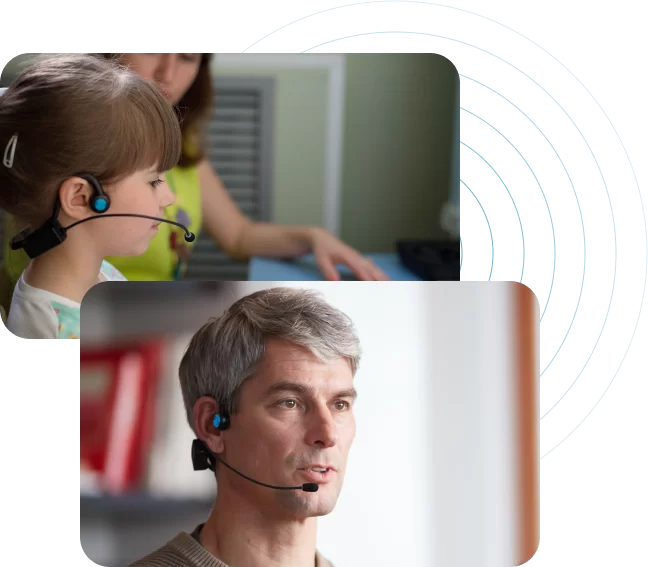
A dynamic filter, a microphone, and bone conduction are all features of the Forbrain® headphone. By transmitting the voice directly through bone structure rather than through air conduction, it improves certain vocal patterns. The user’s voice is isolated and amplified by the electronic dynamic filter, which eliminates background noise, giving the nervous system a good sensory workout.
Additionally, it improves long vowels and other important language-building sounds. To enhance the auditory feedback loop, the resulting sound is transmitted to the nervous system and brain through the bones and bone conduction rather than the ears or air conduction. A typical program lasts for six weeks and 20 minutes per day.
- What makes it different? Forbrain uses various filters and sound frequencies to adjust the way you perceive various sounds
- Home or clinic: Both!
- Pros: Works off the body’s natural auditory feedback loops to improve language and speech
- Cons: Headphones may be a bit uncomfortable for prolonged periods
- URL: https://www.forbrain.com/
NeuroNet Learning
NeuroNet is a system mainly sold to schools that supports learning through movement and is based on research into how our brains build and strengthen neural networks. It consists of a series of exercises children practice before classes.
- What makes it different? Neuronet engages children in a classroom setting to deepen their learning of various school subjects.
- Home or clinic: Clinic, school
- Pros: Uses math, reading, and handwriting readiness to address skills like problem-solving and attention
- Cons: Only available in the schools; may exclude kids who struggle in the above areas
- URL: https://stepuptolearn.com/products/neuronet-program-1

BrainTrain®
A series of computerized cognitive-training programs called BrainTrain are aimed at brain training and cognitive rehabilitation. BrainTrain provides resources to evaluate ADHD, enhance reading, and mentally challenge oneself.
- What makes it different? Uses EEG technology to keep the brain active and challenged across the lifespan.
- Home or clinic: Clinic
- Pros: Addresses a host of skills including visual and auditory attention, organization, and response control
- Cons: Not suitable for individuals with severe cognitive limitations
- URL: https://www.braintrain.com/
Cogmed
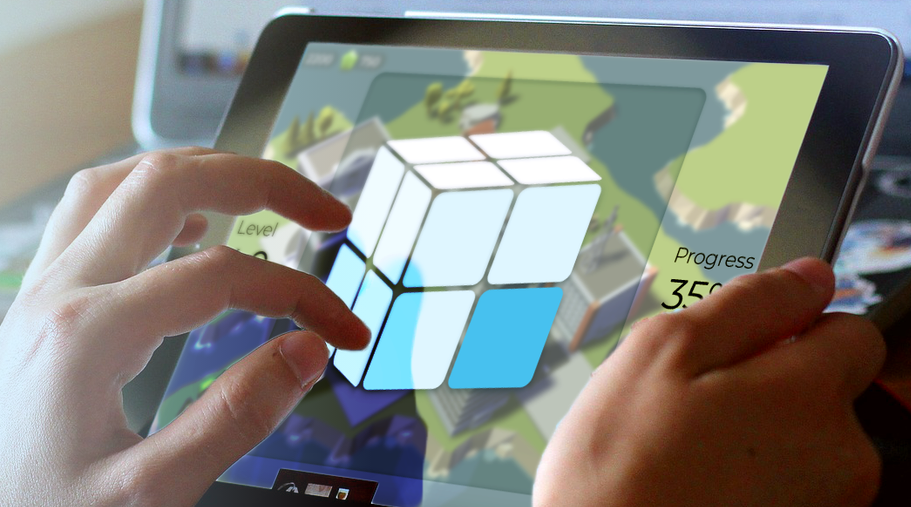
Cogmed is a program for strengthening the brain that consists of 13 memory-improving games for children of all ages and adults. Exercises are spread out over 25 sessions. Based on the user’s performance, the exercises’ difficulty level is changed in real time.
- What makes it different? Cogmed exercises are specially adapted to the person to ensure they target the skills needed most
- Home or clinic: Clinic, home
- Pros: Can be used on various devices
- Cons: Only addresses working memory and attention
- URL: https://www.cogmed.com/
inTime
The music of inTime is made to encourage rhythm awareness, focus, timing, and adaptive responses to stress for children, adolescents, and adults. inTime provides a personalized program of listening exercises and movement activities using the body, the voice, and drumming for users to gain a better understanding of how the brain and body interact.
- What makes it different? By allowing users to play music, inTime improves various cognitive skills while also allowing for creative expression and sensory stimulation.
- Home or clinic: Clinic, home
- Pros: Uses beats and music from various cultures to allow for a personalized experience
- Cons: Can be somewhat disruptive to others if used in a classroom or at home
- URL: https://advancedbrain.com/intime/
| Interactive Metronome | Soundsory | ForBrain | NeuroNet | BrainTrain | Cogmed | inTime | |
| Available for home | ✔ | ✔ | ✔ | ✔ | ✔ | ||
| Available for clinic, school | ✔ | ✔ | ✔ | ✔ | ✔ | ✔ | ✔ |
| Addresses brain and body | ✔ | ✔ | ✔ | ✔ | ✔ |
Conclusion
The Interactive Metronome program is a computer-based training software that aims to improve the timing and synchronization of neural networks in the brain. IM involves a series of exercises that require the participant to match their movements with a metronome beat, helping to improve attention, coordination, and overall cognitive function.
While it may be used in the home, IM is primarily intended for professionals to use in clinic settings since its consumer version remains relatively expensive and requires a large amount of equipment compared to other home-based programs. IM can be used alone or alongside other home-based language programs such as Soundsory® and Forbrain®. These are both practical, simple-to-use options that incorporate cognitive and physical training to improve various skillsets.
References
- Lee, H.K., Kim, H.J., Kim, S.B., & Kang, N. (2022). A review and meta-analysis of Interactive Metronome training: Positive effects for motor functioning. Percept Mot Skills, 129(5),1614-1634. doi:10.1177/00315125221110403
- Teicher, M. H., Bolger, E., Hafezi, P., Garcia, L. C. H., McGreenery, C. E., Weiser, L., Ohashi, K., & Khan, A. (2023). Open assessment of the therapeutic and rate-dependent effects of Brain Balance center® and Interactive Metronome® exercises on children with attention deficit hyperactivity disorder. Psychiatry Research, 319, 114973. https://doi.org/10.1016/j.psychres.2022.114973
- Taub, G.E., McGrew, K.S., & Zeith, T.Z. (2007). Improvements in interval time tracking and effects on reading achievement. Psychology in the Schools, 44(8). DOI: 10.1002/pits.20270
- Taub, G.E., McGrew, K.S., & Keith, T.Z. (2015). Effects of improvements in interval timing on the mathematics achievement of elementary school students. Journal of Research in Childhood Education, 29(3), 352-366. DOI: 10.1080/02568543.2015.1040563
- Nelson, L. A., MacDonald, M., Stall, C., & Pazdan, R. (2013). Effects of Interactive Metronome therapy on cognitive functioning after blast-related brain injury: A randomized controlled pilot trial. Neuropsychology. doi:10.1037/a0034117
- Bonacina, S., Krizman, J., White-Schwoch, T., Nicol, T. & Kraus, N. (2022). Clapping in time with feedback relates pervasively with other rhythmic skills of adolescents and young adults. Perceptual and Motor Skills, 1-17. DOI: 10.1177/00315125211000867
- Trujillo, L.G., & Patton, J. (2015). Effects of the Interactive Metronome on memory problems and balance with aging adults 60+ population. Retrieved from https://www.interactivemetronome.com/wp-content/uploads/2018/12/Research_IM_Aging-Adults_Trujillo2015.pdf
Valérie Leroux
-
