
Best Vagus Nerve Stimulation Devices: A Therapist-Approved Guide
 Brittany Ferri, PhD, OTR/L
 Occupational Therapist, Writer
August 14, 2025
When individuals turn to medical devices, they should search for quality products with a strong basis of evidence. This ensures the safety of all users and helps produce the best results. Individuals should do the same when looking for vagus nerve stimulation devices, which activate the vagus nerve to address a variety of mental and physical health concerns.
To make this process easier, we’ve extensively researched vagus nerve stimulation devices. This article is a compilation of our findings based on statistics, reviews, and other data. You can use this information to choose the device that works best for your needs.
How We Evaluated These VNS Devices
As experts in the health technology industry, we understand what it takes to build an effective, research-backed medical device. We’ve leveraged this knowledge to pick apart vagus nerve stimulation devices and find the best one for people with anxiety, sensory sensitivities, trauma, and other health concerns. It is important to highlight several key points in every research process. Therefore, in an effort to be transparent with the work we have done, we’ve outlined the main criteria we used in the selection process:
- User Reviews — We delved into user reviews from several platforms to gain honest perspectives on what customers liked and disliked about each product. By taking information from multiple sources, we achieved an unbiased stance of the devices.
- Device Accessibility — Some devices are more appropriate for on-the-go or home use. When devices are designed for one or the other, this doesn’t necessarily serve as a drawback. However, individuals should know about these features before purchasing.
- Targeted Conditions — Many vagus nerve stimulation devices are geared toward concerns such as anxiety, migraines, sensory dysregulation, and more. We’ve highlighted those benefits to help you make a decision based on your health needs.
- Comfort and Usability — Comfort and usability are important parts of device satisfaction. We’ve outlined user-friendly device features that support a positive experience.
- Clinical Backing — We’re committed to scientific evidence, so we’ve looked into research that supports each device. Verified clinical studies and trial data is included, where applicable.
- Price & Value — Cost may be a barrier for some people, so we added pricing figures to help you determine what is the best value for your budget and needs.
- Safety Profile — If there are any known side effects or safety concerns that impact use, those have been included in our review.
Best Vagus Nerve Stimulation Devices – Our Top 5 Picks
Here is a list of the best VNS devices that can help manage a variety of health concerns:
| Device | Total Cost | Target Audience | Why It’s In The List |
| Soundsory | $269 | People looking for non-electrical nervous system and vagus nerve support through sound and movement therapy | Non-electrical, sensory-based vagus nerve support, suitable for both kids and adults. |
| Pulsetto | $269 | Individuals struggling with chronic stress, insomnia, and daily anxiety | Innovative tech, convenient, and easy for beginners. |
| Sensate | $299 | Users interested in meditation-focused stress and sleep support | Convenient, highly studied, and ideal for meditation. |
| Apollo Wearable | $349 | Busy users wanting flexible, wearable support for stress, focus, and sleep throughout the day | Versatile and studied, works on stress, sleep, and cognitive performance. |
| Nuropod | $900 | Individuals seeking advanced vagus nerve support for complex health concerns | Well-researched, great for boosting energy and managing stress. |
Soundsory
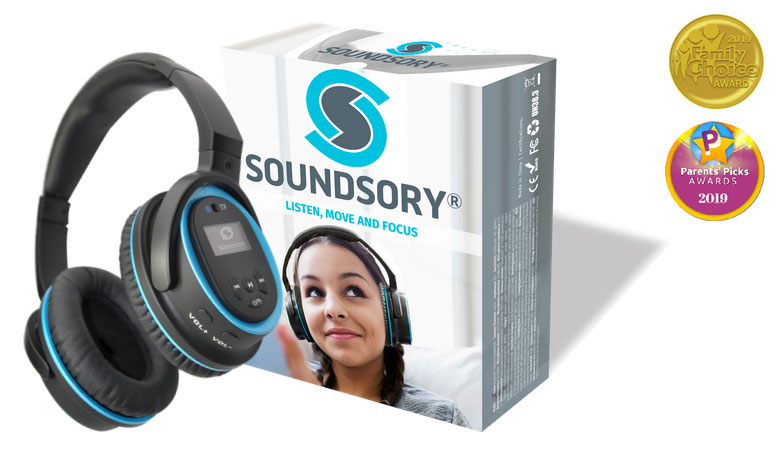
Total cost: $269
Who it’s for:
SoundSory is ideal for individuals interested in a non-electrical option that supports the nervous system through sound, rhythm, and movement. It may be especially useful for people dealing with anxiety, trauma, sensory sensitivities, balance concerns, or emotional regulation challenges.
Why it’s in the list:
- Uses sound-based and movement-based stimulation instead of electrical stimulation.
- Combines auditory and vestibular input to support nervous system regulation.
- Suitable for both children and adults.
- Offers a structured at-home program that can be used consistently as part of a daily routine.
Key features:
SoundSory includes a specialized headset, rhythmic music program, and guided movement exercises. The program uses air and bone conduction, along with auditory and vestibular input, to support auditory processing, balance, coordination, emotional regulation, and motor skills.
Pros:
- Easy to use at home and does not require electrical stimulation.
- May be a good alternative for users who prefer sensory-based support instead of wearable pulse or vibration devices.
- Combines music and movement, which can make it more engaging for children and adults.
- Supports multiple areas, including sensory processing, coordination, emotional regulation, and learning-related skills.
Cons:
- Requires consistent use over time, which may be difficult for some users.
Reviews:
Many users and families discuss SoundSory as a convenient home-based program for sensory and nervous system support. Reviews often highlight improvements in regulation, focus, movement confidence, and daily comfort, especially when the program is used consistently.
Pulsetto Vagus Nerve Stimulator

Total cost: $269
Who it’s for:
The Pulsetto is particularly beneficial for people seeking relief from chronic stress. This is a neck collar, so users who prefer that type of device may find success with the Pulsetto.
Why it’s in the list:
- Innovative technology with a user-friendly design ideal for beginners.
- Targets multiple issues like insomnia, chronic pain, and stress.
- Offers convenient and comfortable neck collar format for consistent use.
- Positive feedback from users who report improved sleep and reduced stress levels.
Key features:
This device’s settings specifically target:
- Insomnia
- Attention difficulties
- Chronic pain
- Ongoing stress.
Pros:
- The Pulsetto has positive customer reviews.
- A 2025 study of the device shows that users experienced 56% lower stress levels and 41% improved sleep after 4 weeks of consistent Pulsetto use. [13]
- Another study shows this device was beneficial in reducing fatigue in soccer players after full-length matches. [14]
Cons:
- This device guides users through deep breathing exercises to maximize the benefits of vagus nerve stimulation. While this aims to produce better results, some users who do not like this relaxation technique may not prefer this device.
Reviews:
Many reviews discuss a strong battery life and positive mood changes. One user says, “With regular use over several months, Pulsetto helped ease chronic neck pain and reduce vertigo episodes. They also noticed a major improvement in sleep quality, making daily life more manageable.”
Sensate

Total cost: $299 (single device); $349 (single device with a 1-year subscription to Sensate Plus); $523 (two devices with a 1-year subscription to Sensate Plus for both)
Who it’s for:
Sensate’s vagus nerve stimulator targets stress, insomnia, and anxiety. You can wear the device on a lanyard around your neck or rest it on your chest while laying down. This makes it a great fit for someone who prefers their relief on-the-go or those who want to pair their device with meditation.
Why it’s in the list:
- Convenient design that can be worn around the neck or on the chest, ideal for on-the-go users.
- Pairs with a companion app for personalized soundscapes that enhance the experience.
- Great for people already familiar with vagus nerve stimulation exercises like meditation.
- Proven to help reduce anxiety and improve sleep quality according to research.
Key features:
Sensate has a partner app that offers users soundscapes to pair with their device.
Pros:
- Sensate offers a 90-day trial, making it ideal for people who want to try it out before making a decision.
- Research shows that Sensate helped improve participants’ state anxiety and sleep quality while decreasing their perceived stress levels and the amount of time it takes for them to fall asleep. [15]
- Several online sources name this one of the most innovative vagus nerve stimulation devices.
Cons:
- You need to purchase Sensate Plus to access all soundscapes and app-based features.
Reviews:
Most reviews for the Sensate note that, while the device can be paired with meditation, it can replace their meditation practice entirely. One user notes, “Highly recommend this device! Always relaxes me, and I use it regularly to fall back asleep once I’ve awoken”.
Apollo Wearable
Total cost: $349
Who it’s for:
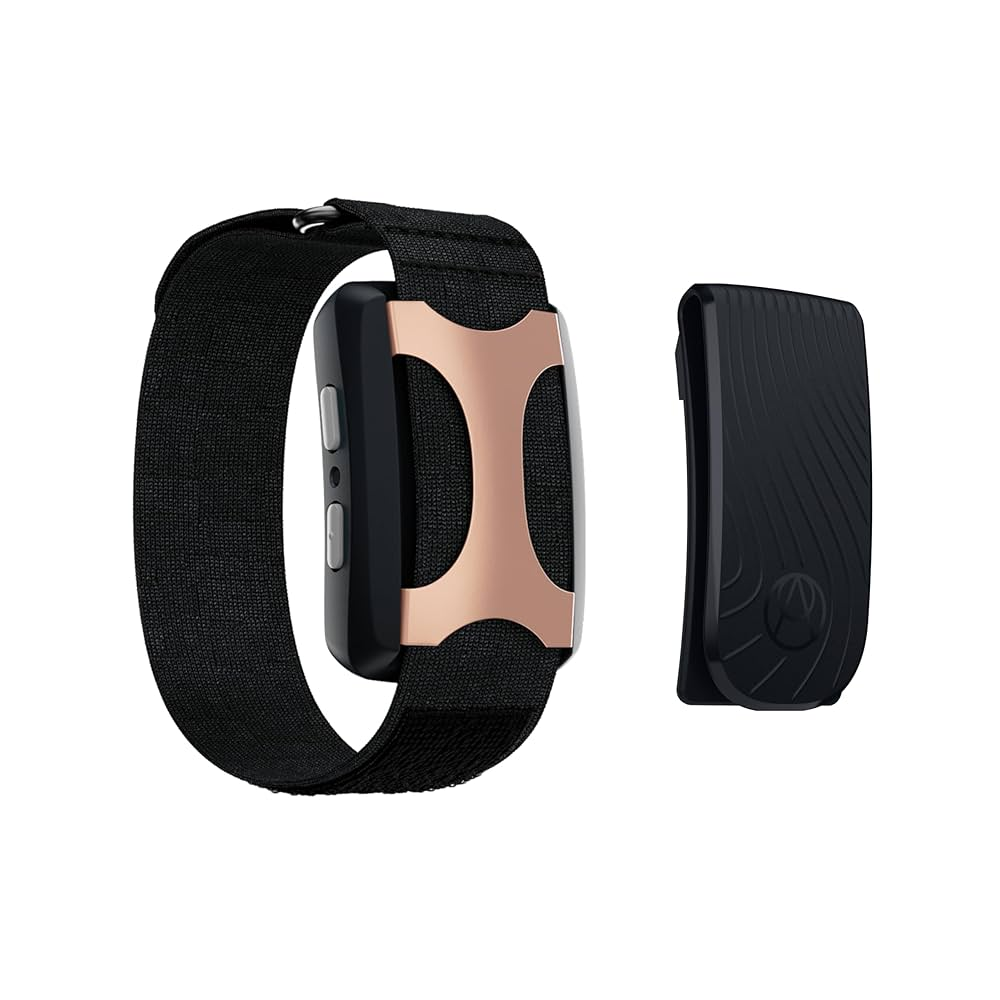
The Apollo Wearable is considered one of the most convenient vagus nerve stimulation devices, as it can be worn on the wrist, at the ankle, clipped to your clothing, and more. This allows flexibility for each user’s preferences.
Why it’s in the list:
- Versatile device that can be worn on the wrist, ankle, or clipped to clothing, offering flexibility for different preferences.
- Seven vibration settings tailored to various needs such as sleep, stress relief, and cognitive performance.
- One of the most studied VNS devices, with clinical trials showing improvements in heart rate variability and deep sleep
- Extremely convenient for everyday use, with users seeing subtle health improvements with consistent wear.
Key features:
This device has seven vibration settings, each catered to addressing sleep, stress, cognitive performance, and socialization.
Pros:
- Unlike some other wrist-based vagus nerve stimulation devices, the Apollo Wearable can remain on the wrist for ultimate convenience.
- With 17 clinical trials and 12 more underway, this may be one of the most studied vagus nerve stimulation devices.
- Research on the Apollo Wearable shows it can lead to an 11% increase in heart rate variability as well as an increase in deep sleep. [16]
Cons:
- For the best results, this device should be worn for at least three hours each day (but the website recommends using it as long as possible), whereas others have briefer intervals. This may be less convenient for some people with busy schedules.
Reviews:
Reviews consistently highlight better sleep as the biggest benefit, with many users reporting deeper, longer, and more consistent rest. People also praise the comfort and fit of the bands (wrist or ankle), ease of daily use, and calming effects during the day. Overall, users describe the device as effective, comfortable, and life-changing for sleep and relaxation, with responsive customer support when issues arise.
Nuropod
Total cost: $900
Who it’s for:
Nuropod is ideal for anyone looking to improve a range of more specific health markers.
Why it’s in the list:
- Designed to address specific health issues, including oxidative stress, post-viral symptoms, and digestive issues.
- Backed by over 50 clinical studies, making it one of the most researched VNS devices.
- Claims to improve energy levels, stress management, and longevity.
- The premium price is justified by its advanced technology and extensive research support.
Key features:
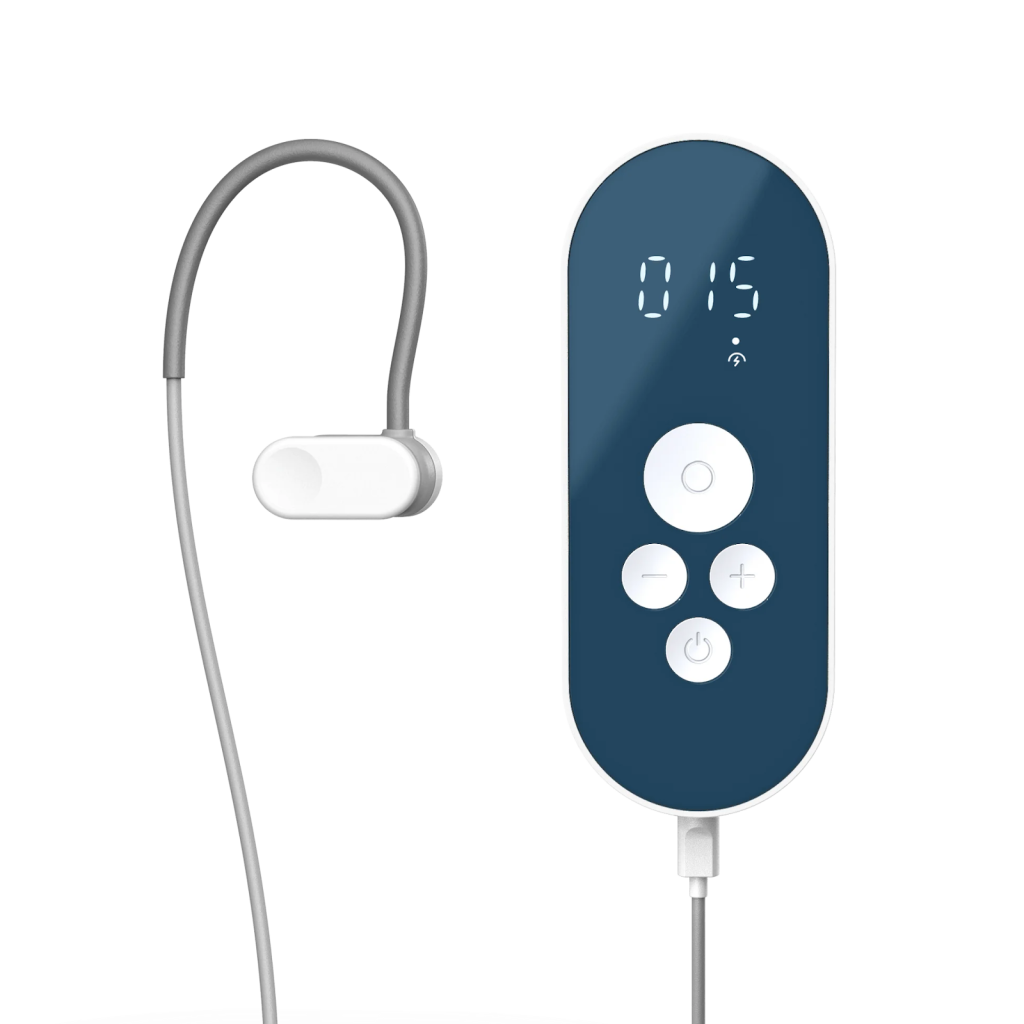
Nuropod uses proprietary waveform technology, which they claim sets them apart from other vagus nerve devices.
Pros:
- Nuropod is well-researched with over 50 clinical studies(many of which are reportedly randomized-controlled trials, which are widely considered the most reliable type of research) supporting its efficacy.
- Research studies have proven this device has a notable effect on less common symptoms such as oxidative stress, post-viral symptoms, digestive symptoms, and postural heart rate abnormalities.
Cons:
- This device is on the pricier side compared to some other vagus nerve stimulation devices.
- There doesn’t appear to be any links to their full research studies on their website.
Reviews:
Nuropod’s website mentions there have been over 4 million ‘happy user sessions.’ One of the users, Mario, a medical doctor, says, “Nuropod was easy to fit into his evening routine and helped him feel more focused and relaxed. After about a month, he noticed better sleep, more refreshed mornings, and a measurable increase in HRV based on data from his wearable devices”.
Who Can Benefit From VNS Devices?
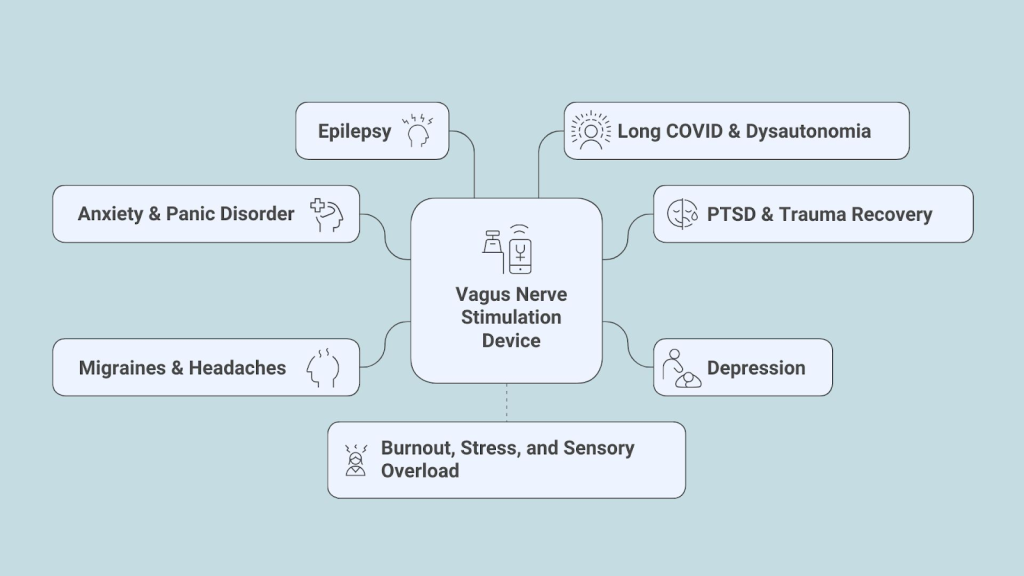
Vagus nerve stimulation devices can benefit individuals with a range of health concerns. These devices can be wearable or implanted in the brain. Vagus nerve stimulation devices offer gentle vibrations that target the vagus nerve through the skin. Some devices are worn on the neck while others are worn on the earlobe, ankle, or wrist. Implanted vagus nerve stimulation devices, on the other hand, are surgically placed in the chest. These devices provide stimulation through the vagus nerve in the neck.
It’s important to note that all of the research studies we discuss here pertain to wearable vagus nerve stimulation devices, with the exception of those used to manage epilepsy.
Anxiety & Panic Disorder
Research shows these devices offer short-term and long-term symptom improvement for those with treatment-resistant anxiety disorders (specifically obsessive-compulsive disorder and panic disorder). [1] Studies done with these populations have been small, meaning more research is needed to definitively prove the effectiveness of these devices for anxiety disorders. However, early results are promising.
One study discussed the potential benefits of pairing vagus nerve stimulation devices with exposure-based therapies to manage anxiety and fear in people who have Autism Spectrum Disorder (ASD). [2] While not much research has been done to determine how effective this combination is, vagus nerve stimulation devices can maximize the benefits of many other therapies.
PTSD & Trauma Recovery
Vagus nerve stimulation devices have been known to benefit other mental health concerns, including trauma-related conditions. Research shows that vagus nerve stimulation devices are associated with a clinically meaningful improvement in post-traumatic stress disorder (PTSD) symptoms and severity. These results were measured immediately after use as well as 6 months later. [3] This demonstrates that vagus nerve stimulation devices can be safe, realistic, and effective in treating this particular condition.
Another study found that vagus nerve stimulation devices minimized stress-induced cellular changes in those with PTSD when paired with another treatment called personalized traumatic scripts. [4]
Depression
Vagus nerve stimulation devices have been approved by the Food & Drug Administration (FDA) for the treatment of severe, recurrent depression. Therefore, this is one of the most studied uses of vagus nerve stimulation devices. Studies have shown individuals who received vagus nerve stimulation demonstrated slight improvements in depressive symptoms compared to individuals who received sham or no treatment. [5]
A 5-year study looked at the benefits of vagus nerve stimulation devices for people with chronic moderate to severe depression compared to treatment as usual. Participants who received vagus nerve stimulation experienced a higher treatment response rate compared to the other group (over 67% compared to 40.9%). In addition, those who received vagus nerve stimulation saw a 43.3% remission rate while the other treatment yielded a rate of 25.7%. [6] These study results are considered quite impactful due to the large scale, long-term nature of the research.
Migraines & Headaches
Research shows that over 50% of individuals who received non-invasive cervical vagus nerve stimulation experienced a decrease in the intensity and severity of their migraines. These results showed vagus nerve stimulation devices are a safe way to manage migraines and other headaches. [7] Another study found these devices can help lower pain intensity and severity as soon as 30 minutes before a migraine and up to 60 minutes after onset. [8]
Epilepsy
Epilepsy is another often-studied condition as it applies to vagus nerve stimulation devices. As mentioned earlier, vagus nerve stimulation devices used for epilepsy are implanted in the chest. Research indicates around half of individuals with drug-resistant epilepsy experienced 50% fewer seizures. [9] It is important to note that this method has more potential side effects than wearable vagus nerve stimulation devices, including vocal cord paralysis and infection.
Long COVID & Dysautonomia
Experts have found that some individuals with long COVID develop vagus nerve dysfunction, which can be managed using these devices. One study found that dysautonomia symptoms improved while the device was running, but symptoms returned after the treatment was complete. [10] However, benefits may be seen on a cellular level, even when the device is used for short periods of time. Other research found that vagus nerve stimulation devices may have anti-inflammatory effects and can even balance immune system function. [11] More research and setting changes may be needed to determine the potential for long-term effects with nervous system conditions.
Burnout, Stress, and Sensory Overload
Dated research over the years has shown near-immediate improvements in sensory processing after the use of vagus nerve stimulation devices. Sensory processing skills can help individuals balance sensory overload and cope with cognitive stress. In addition, newer studies have discovered that vagus nerve stimulation devices may have more lasting changes on the brain that allow for long-term improvements in managing sensory input. [12] There is less research on the connection between vagus nerve stimulation devices and the management of burnout. However, this is another potential application due to the connection between sensory processing skills and cognitive stress.
How Do VNS Devices Work?
Vagus Nerve Stimulation (VNS) devices work by sending gentle electrical pulses to the vagus nerve, which is crucial for regulating important body functions like heart rate, digestion, and stress responses.
Regardless of the brand and type of vagus nerve stimulation device, these machines all work in the same way by sending gentle electrical impulses to the vagus nerve. These impulses are meant to activate the nerve, balancing many of the body’s functions and easing health concerns stemming from vagus nerve dysfunction.
VNS Device Types
Vagus nerve stimulation devices are available in various forms. Some devices are neck collars, which involve placing small pads called electrodes on the skin of the neck. Since the vagus nerve travels from the brain down through the body, it runs down both sides of the neck. Therefore, neck collars offer surface-level access to the main nerve branches. Some people prefer earbuds that offer vagus nerve stimulation, as these are discreet and worn just as traditional earbuds are. When in place, these devices stimulate a section of the vagus nerve called the auricular branch, which is located in the outer ear.
Ear clips operate in a similar fashion, though they are designed more like ear hooks (also known as over-the-ear earbuds). They also involve stimulating the auricular branch through the ear canal.
Lastly, wearable bands are placed on the wrist just like watches or bracelets. This is a popular style as the device remains easily visible to the user. Electrical impulses are sent from the wrist up through the arm and to the vagus nerve.
VNS Device Mechanisms
Regardless of what device you use, impulses from these machines travel from the vagus nerve to the brain stem and the cerebrum. The brain stem is located at the base of the skull and is responsible for vital functions such as heart rate and breathing rate. The brain stem also controls involuntary reflexes such as pupil dilation, swallowing, gagging, coughing, and sneezing. If the body continually receives electrical impulses, this strengthens the vagus nerve.
A stronger vagus nerve leads to higher heart rate variability, which means the body can better manage varied intervals of time between heartbeats. This builds resilience and leads to improved cardiovascular health.
The vagus nerve also communicates with the cerebrum, which is the main part of the brain divided into four lobes. These lobes control a wide array of functions. However, impulses coming from the vagus nerve help regulate cerebrum functions such as emotion regulation, pain recognition, mood, digestion, and more.
By strengthening the vagus nerve, the cerebrum builds a stronger bond with the digestive system through what is called the gut-brain axis. This axis is not just a network of nerves – it also contains pathways responsible for hormone and immune system communication. Strengthening this axis allows the vagus nerve to improve digestion. Healthier digestion, in turn, leads to a better balance of hormones and mood. This creates a chain reaction that encourages improved health across several bodily systems and functions.
Are VNS Devices Safe?
Yes! Many people tolerate vagus nerve stimulation devices quite well. There are very few side effects associated with wearable/non-invasive vagus nerve stimulation devices. Side effects that may occur include throat tightness and discomfort, dizziness, tingling, voice hoarseness, headache, and coughing. These side effects are most likely to occur with wearable devices that target the neck, but may still occur with other devices. [20]
Certain individuals are advised to consult with their doctor before using these devices. These include pregnant women, those with heart conditions, people who have epilepsy, and pacemaker users. The electrical impulses emitted by these devices may interfere with the above conditions. Your doctor will determine whether or not it is safe to use a vagus nerve stimulation device.
How to Use a VNS Device at Home
If you are beginning to use your vagus nerve stimulation device at home, there are some things you should keep in mind:
- Start low and go slow: This refers to the device’s settings. Starting low means you should set the intensity as low as possible when starting out. You can adjust it based on your comfort level as you get more used to the device. It’s also important to go slow, so start with short intervals of time and gradually increase.
- Daily use is most effective: As with any treatment, consistency is key to seeing positive results. If you only turn to your device once in a while or during times of particularly high stress, you are unlikely to see lasting results. By using your device on a daily basis, you can monitor bodily changes and strengthen your vagus nerve.
- Track HRV, sleep, mood: This step helps you see progress along the way and can encourage consistent device use. Your product should offer specific insights into heart rate variability, sleep duration, amount of deep sleep, and more, either through a paired app or the device itself. Some people prefer to track these markers with their device while others may want to record them in a journal.
- Combine with breathwork or cold therapy: You can combine the vagus nerve stimulation device with other stimulation techniques such as deep breathing, cold therapy, exercise, and more. Try several methods and choose what works best for you.
FAQs | Best Vagus Nerve Stimulation Device
What is vagus nerve stimulation (VNS)?
Vagus nerve stimulation (VNS) uses gentle electrical signals to activate the vagus nerve, helping calm the nervous system and support relaxation, stress relief, and better sleep.
Are vagus nerve stimulation devices safe to use?
Yes, vagus nerve stimulation devices are safe to use for most individuals. Pregnant women and anyone with a pacemaker, heart condition, or epilepsy should consult with their doctor first.
Do I need a prescription for VNS?
No, you do not need a prescription to purchase and use vagus nerve stimulation devices.
What’s the best VNS device for anxiety?
Any of the devices we’ve reviewed above are a good fit for someone hoping to address symptoms of anxiety.
Can you do vagus nerve stimulation at home?
Yes, vagus nerve stimulation via a device is simple for at-home use.
How long does it take to see results?
Results vary, but some users notice benefits like reduced stress within a few days or weeks. For conditions like depression or chronic pain, it may take several weeks to months of consistent use to see significant improvements.
How often should I use a vagus nerve stimulator?
Most devices are recommended for daily use, typically for 15-30 minutes per session. Follow the manufacturer’s instructions and consult a healthcare provider for personalized guidance. Regular use is key for optimal results.
How does Soundsory compare to electrical VNS tools?
SoundSory is a non-electrical device that stimulates the vagus nerve via rhythm, movement, and various types of sensory input. SoundSory works well when paired with vagus nerve stimulation devices or when used on its own.
Brittany Ferri, PhD, OTR/L
-
